Planning a 100-room hotel in 2026 requires more than multiplying one room’s furniture package by 100. How much does it cost to furnish a 100-room hotel? The honest answer depends on room category, design quality, region, supplier terms, and installation requirements. A practical estimate may range from several hundred thousand dollars to well over one million dollars.
A standard guestroom package can include beds, mattresses, nightstands, desks, seating, wardrobes, lighting, artwork, curtains, mirrors, and bathroom accessories. Public spaces add reception counters, lobby seating, restaurant furniture, meeting tables, and outdoor pieces. For example, one guestroom may need a durable upholstered chair, a 55-inch television, and custom blackout curtains. Small details quickly become major costs across 100 rooms.
Experienced hotel procurement teams usually compare factory quotations, shipping costs, installation labor, taxes, replacement stock, and project-management fees. I recommend requesting itemized proposals from qualified suppliers and checking samples before approving mass production. Certifications, fire-safety documentation, warranty coverage, and material testing also deserve attention. They protect long-term value.
Estimates can be wrong.
Prices change during development. Freight rates fluctuate, designs evolve, and imported materials may face delays. A realistic budget should include a contingency allowance, often around 10% to 15%, depending on project uncertainty. This guide explains the main cost categories, realistic 2026 pricing factors, and ways to control spending without making the hotel feel cheap. Guest comfort still matters most.
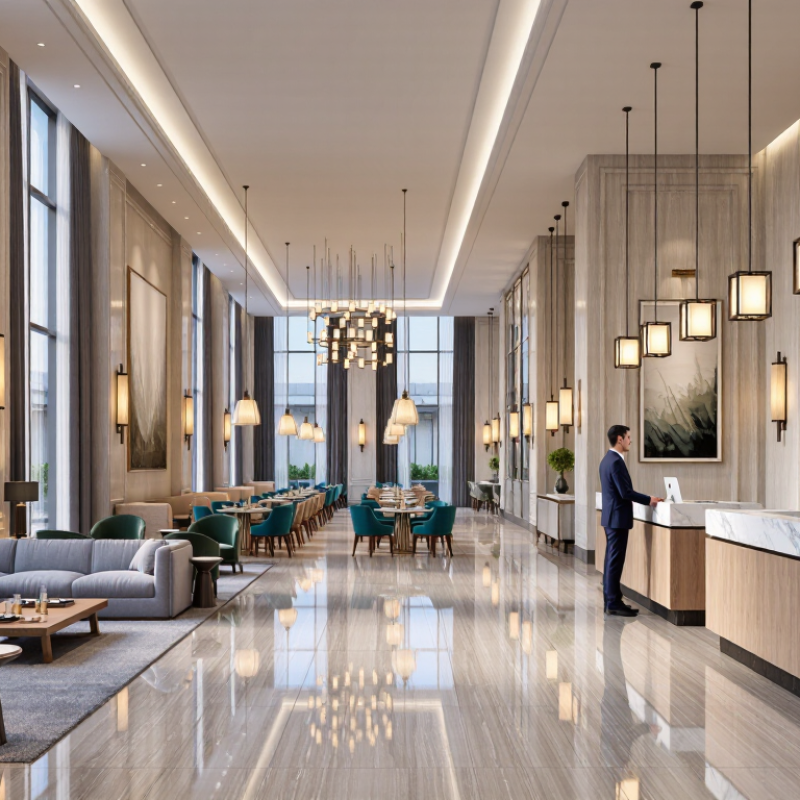
For a 100-room hotel, furnishing cost starts with a clear project scope, not a simple per-room estimate. The scope should cover guest rooms, corridors, lobby areas, dining spaces, meeting rooms, and back-of-house zones. It should also identify room types, furniture quantities, finishes, lighting, artwork, and installation needs.
A standard guest room may require a bed, headboard, bedside tables, desk, chair, luggage bench, wardrobe, mirror, curtains, and bathroom accessories. A practical 2026 budget should include factory production, packaging, shipping, duties, local storage, installation, and replacement units. Public areas need separate calculations. A lobby sofa arrangement, reception counter, restaurant seating, and conference tables can change the total considerably.
Details matter.
From project planning experience, a 100-room property often needs a room-by-room schedule before suppliers can provide dependable pricing. Measurements should be checked against architectural drawings and actual site conditions. A few centimeters can affect built-in furniture, delivery access, and installation time. Sustainability requirements may also add certified materials or repairable components.
The estimate should include a contingency, commonly around 8% to 15%, for design changes, damaged items, and late site adjustments. That range is not universal. Renovation projects may need more. I have seen budgets fail because decorative items were excluded early, then added under pressure. The scope should state quality levels, testing requirements, lead times, warranty terms, and approval procedures. A lower purchase price can create higher maintenance costs later.
The scope should cover guest rooms, corridors, lobby areas, dining spaces, meeting rooms, and back-of-house zones. It should list room types, furniture quantities, finishes, lighting, artwork, and installation needs. Details matter.
Budget furnishing may cost about $800,000 to $1.4 million overall. Midscale furnishing may range from $1.8 million to $3 million. Luxury furnishing may reach $4.5 million to $9 million. These figures are only starting points.
A typical room may need a bed, headboard, bedside tables, desk, chair, luggage bench, wardrobe, and mirror. It may also require curtains, lighting, and bathroom accessories. Room size can change the list.
Estimates should include production, packaging, shipping, duties, storage, installation, and replacement units. Design fees and local site services may also affect the final budget. Budgets drift.
A contingency of about 8% to 15% can cover design changes, damaged items, and late adjustments. Renovation projects may require a larger reserve. The range is not universal.
Lobby sofas, reception counters, restaurant seating, and conference tables can change the total significantly. A busy lobby may wear chairs faster than guest rooms. Public spaces need separate quantities and quality checks.
Prepare a room-by-room schedule before requesting dependable supplier pricing. Check measurements against drawings and actual site conditions. A few centimeters can affect built-in furniture, delivery access, and installation time. Small errors become expensive.
Compare samples under daylight and warm evening light. Test drawers, hinges, mattress support, and upholstery cleaning methods. Check warranty terms, testing requirements, lead times, and approval procedures. A lower purchase price may create higher maintenance costs later.
Yes, keeping five to ten percent of room furniture in reserve can help manage damage. This may feel excessive until a chair breaks during a busy season. Set the replacement budget early. I would still review the percentage after estimating local repair access.
How much does it cost to furnish a 100-room hotel? In 2026, the answer depends on the property’s location, room size, design standards, and service level. A complete furnishing plan should cover guestroom furniture, mattresses, lighting, window treatments, bathroom accessories, public-area furnishings, staff facilities, equipment, delivery, and installation. Budget hotels may prioritize durability and essential functionality, while midscale properties typically invest more in comfort, appearance, and shared spaces. Luxury hotels require higher-quality materials, customized designs, and more detailed finishes.
A reliable estimate should be calculated room by room and then expanded to include corridors, reception areas, restaurants, meeting spaces, back-of-house areas, and outdoor facilities. Procurement planning should account for design development, sampling, production, shipping, assembly, and installation schedules. Setting aside a contingency fund for price changes, replacements, and unexpected site conditions can help control financial risk. Beyond the initial price, owners should evaluate durability, maintenance needs, replacement cycles, and the long-term value that well-planned furnishings can provide.

 Ramsey Furniture