Choosing the right materials for professional kitchen cabinets is crucial. The decision affects durability, aesthetics, and functionality. A recent report from the National Kitchen and Bath Association (NKBA) highlights that 70% of homeowners prioritize quality materials in their kitchen renovations. This raises the question: "Which material is best for professional kitchen cabinets?"
Different materials offer unique advantages and drawbacks. Hardwood, for example, is celebrated for its timeless beauty and resilience. However, it may be susceptible to scratches and dents. On the other hand, laminate provides an affordable and versatile option, yet it might lack the luxurious feel associated with more expensive materials. According to a study by Remodeling Magazine, high-quality cabinets can recoup nearly 75% of their costs in home value upon resale.
Material choices also impact maintenance. Some materials require frequent upkeep, while others are more forgiving over time. This consideration complicates the decision-making process. Professionals often debate the merits of popular options like plywood, particleboard, and MDF. Ultimately, the choice depends on personal preferences, budget constraints, and expected wear and tear. Reflecting on these factors, one must carefully evaluate which material is best for professional kitchen cabinets.
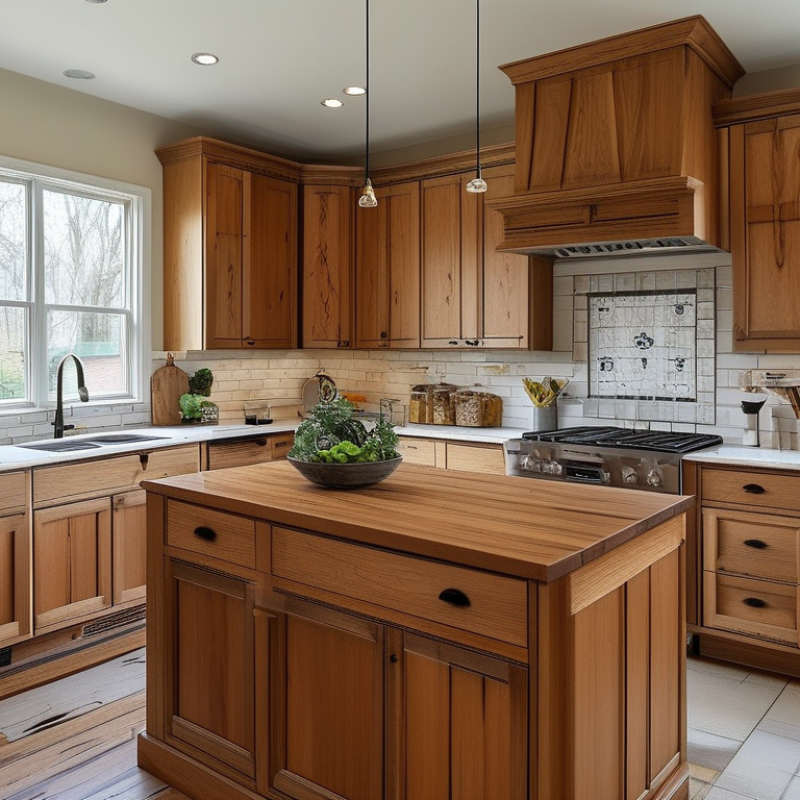
Types of Materials Commonly Used in Professional Kitchen Cabinets
When selecting materials for professional kitchen cabinets, common options include wood, laminate, metal, and plywood. Each material presents unique advantages and challenges. According to industry reports, solid wood cabinets are preferred for their durability and classic look. However, they can warp in humid environments. Laminate offers a budget-friendly, versatile choice with various finishes, but it may not withstand high heat as well as other materials.
Metal cabinets have gained traction due to their sleek appearance. They are resistant to moisture and easy to clean. Still, they can be prone to dents and scratches. Plywood is often praised for its strength and is resistant to warping. Yet, lower-quality plywood may not provide the same longevity and finish.
Tips for Choosing Materials: Test samples before making decisions. Consider the kitchen's climate and usage. Also, contemplate the cabinetry's aesthetic. Selecting the right type can enhance both functionality and visual appeal. Remember, the long-term performance of these materials varies, so weigh options carefully.
Durability: Comparing the Longevity of Different Cabinet Materials
When considering kitchen cabinet materials, durability is paramount. Different materials offer varying lifespans. For example, hardwoods like oak and maple can last over 50 years with proper maintenance. In contrast, particle board may only endure up to 10 years. This discrepancy highlights the importance of selecting the right material for longevity.
Plywood is another strong contender. It offers a balance of durability and cost, lasting 20-40 years. A report from the National Kitchen and Bath Association indicates that 70% of professionals recommend plywood for its strength and resistance to warping. However, even with quality materials, exposure to moisture can lead to deterioration, which is a common oversight.
Tips: Regular cleaning and avoiding excessive humidity can extend cabinet life significantly. Choose materials that best fit your kitchen's use. If the kitchen sees a lot of activity, opt for sturdier wood or plywood. Always consider how well your choice will withstand daily wear. Reflect on your lifestyle before committing.
Aesthetic Appeal: How Material Choice Affects Kitchen Design
The choice of materials for kitchen cabinets plays a crucial role in overall kitchen design. Aesthetics matter. Wood, for instance, provides warmth but may warp in humid conditions. Metal offers a sleek modern vibe but can feel cold and industrial. Balancing function and appearance is key.
Cabinet finishes also influence the room's feel. Matte surfaces absorb light, creating a subtle elegance. Glossy finishes reflect it, adding a sense of spaciousness. Reflective materials can make a small kitchen feel larger. However, they often reveal fingerprints and stains, demanding more frequent cleaning.
Consider practical details, like durability and resistance to wear. Solid wood may provide timeless beauty but comes at a cost. Laminate options can mimic wood, offering a budget-friendly alternative with easy maintenance. Each choice shapes not only the kitchen's look but also its atmosphere. It’s essential to weigh aesthetic appeal against practical needs.
Cost Analysis: Budgeting for Various Cabinet Materials
When budgeting for kitchen cabinets, it's essential to consider various material options. Each type has its unique cost implications. For example, plywood is often affordable and durable. It can withstand humidity better than many alternatives. However, its quality can vary significantly between brands and manufacturers.
Solid wood cabinets offer a timeless appeal but come at a higher price point. The grain and finish can add beauty, but maintenance is necessary. Over time, warping may occur, especially in humid climates. This aspect can lead to additional costs if replacement is needed.
MDF is another option, typically less expensive than solid wood. It can be painted easily, providing design flexibility. However, it’s less durable, especially around water. If moisture isn’t managed, it may swell over time. Reflecting on durability vs. cost benefits is crucial. Choosing the right material influences not just the initial budget but long-term satisfaction.
Maintenance Requirements for Different Kitchen Cabinet Materials
When choosing materials for professional kitchen cabinets, maintenance requirements should be a top consideration. Each material comes with its own set of challenges. For instance, hardwood is known for its durability and aesthetic appeal. However, it demands regular refinishing and careful cleaning to prevent water damage.
Laminate cabinets, on the other hand, are relatively low-maintenance. They only require a simple wipe-down to keep them looking fresh. A report from the Kitchen Cabinet Manufacturers Association indicates that over 60% of homeowners prefer laminate for its ease of care. Still, these cabinets are susceptible to scratches and chips, which can be difficult to repair.
Metal cabinets, while stylish and sturdy, require some attention too. They are prone to rust if moisture accumulates. Regular inspections and occasional polishing can help maintain their luster. This information highlights the importance of understanding the trade-offs of different materials for kitchen cabinets. Proper maintenance can extend the life of any cabinet type, but it often requires commitment and effort from the homeowner.
Top Materials for Professional Kitchen Cabinets and Their Maintenance Requirements
This chart illustrates the maintenance frequency required for different kitchen cabinet materials over a year. Wood and MDF cabinets require similar maintenance, while laminate cabinets demand more attention due to cleaning needs. Metal cabinets tend to have lower maintenance frequency, making them easier to care for.
FAQS
: Common materials include wood, laminate, metal, and plywood. Each has unique pros and cons.
Solid wood cabinets are durable and have a classic look, but can warp in humid conditions.
Laminate is budget-friendly and versatile, but may not handle high heat as well as other options.
Metal cabinets are sleek and easy to clean, yet they can dent and scratch easily.
Plywood is strong and resistant to warping but lower-quality plywood may lack longevity.
Hardwood requires regular refinishing and careful cleaning to avoid water damage.
Laminate cabinets are low-maintenance, needing only a simple wipe-down to stay fresh.
Metal cabinets may rust if moisture accumulates. Inspections and polishing are recommended.
It can extend the life of any cabinet, but may require significant commitment from homeowners.
Consider climate, usage, aesthetics, and long-term performance of the materials.
Conclusion
When considering which material is best for professional kitchen cabinets, several factors come into play. The article examines common materials, including wood, laminate, metal, and PVC, highlighting their unique properties. Durability is a crucial consideration, as some materials can withstand the wear and tear of a busy kitchen better than others. Additionally, aesthetic appeal is emphasized, as the choice of material significantly influences the overall design of the kitchen.
Cost analysis is also essential for budgeting, with varying price ranges for different materials impacting decisions. Lastly, maintenance requirements are discussed, noting that some materials demand more upkeep than others, which can affect long-term satisfaction. Ultimately, the choice of material for professional kitchen cabinets should balance durability, design, cost, and maintenance to best meet individual needs.

 Ramsey Furniture