In recent years, the push for sustainability in bedroom furniture has gained momentum. The question arises: "Why choose eco-friendly materials for bedroom furniture?" According to a report by the Global Eco-Friendly Furniture Association, approximately 75% of consumers now prioritize sustainable options when purchasing furniture. This indicates a significant shift toward more responsible consumerism.
Experts in the industry emphasize the importance of eco-friendly materials. Dr. Emily Green, an environmental scientist, notes, "Sustainable furniture not only benefits the planet but also enhances indoor air quality." This highlights the dual advantage of choosing green materials. Quality and safety are paramount in bedroom furniture, where people spend substantial time resting and rejuvenating.
Despite the clear benefits, many hesitate to embrace eco-friendly options. Some perceive these products as expensive or less durable. However, innovations in sustainable manufacturing are changing that perception. As consumers, it is vital to weigh the long-term advantages against short-term costs. Eco-friendly choices often lead to healthier living environments and contribute to a more sustainable future.
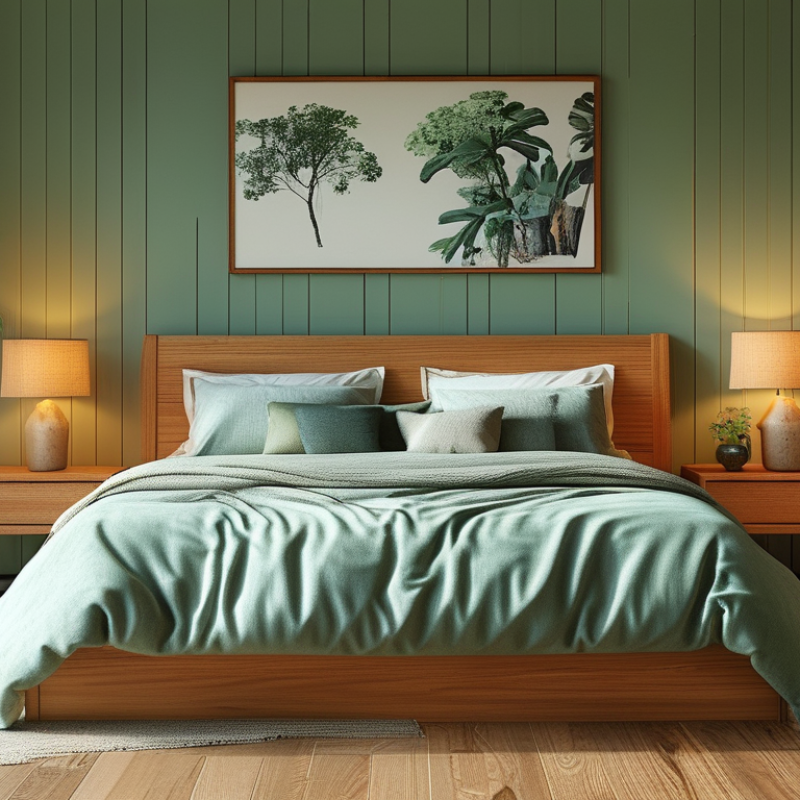
When selecting bedroom furniture, eco-friendly materials offer significant advantages. According to the Sustainable Furnishings Council, over 80% of consumers prefer furniture made from sustainable resources. Using such materials reduces the environmental impact of production and creates healthier living spaces.
Consider wood from certified forests. This choice ensures trees are harvested sustainably, promoting biodiversity. Bamboo is another excellent option. It grows quickly and requires minimal resources. Choosing pieces made from recycled materials also lessens waste, highlighting creativity and ingenuity in design.
Health considerations are crucial. Many conventional materials emit volatile organic compounds (VOCs). These substances can aggravate allergies and respiratory issues. Eco-friendly alternatives, on the other hand, often contain fewer toxins. Making the switch enhances indoor air quality and supports a healthier lifestyle. This transformation may not be perfect and can involve trade-offs, but the long-term benefits for both health and the planet are substantial.
: Eco-friendly materials reduce environmental impact and improve indoor air quality. They promote healthier living spaces.
Certified forest wood ensures sustainable harvesting and supports biodiversity. It's a responsible option for furniture.
Bamboo grows quickly and requires few resources. It offers a sustainable option for modern furniture design.
VOCs are chemicals released by traditional materials. They can cause allergies and respiratory problems in indoor spaces.
Eco-friendly materials emit fewer toxins, improving indoor air quality. This reduces respiratory issues and promotes better health.
Yes, limited availability can make finding eco-friendly options hard. Some consumers doubt the durability of these materials.
Eco-friendly furniture often leads to healthier living environments by reducing health risks linked to poor air quality.
No, it can involve compromises and challenges. Yet, the benefits for health and the planet are often worth it.
Sustainable materials can cut emissions by up to 80%, according to the Global Wellness Institute.
Even with some imperfections, investing in sustainable options pays off in health and environmental benefits over time.
The article "Why Choose Eco Friendly Materials for Bedroom Furniture 2026" delves into the numerous advantages of selecting sustainable materials for bedroom furnishings. Eco-friendly materials not only enhance indoor air quality by reducing harmful emissions but also contribute significantly to sustainability and resource conservation. By opting for such materials, consumers can make conscientious choices that support both personal health and the environment.
Furthermore, the long-term cost-effectiveness of eco-friendly furniture becomes apparent as these pieces often outlast their conventional counterparts, making them a wise investment. The article also highlights the latest trends in eco-friendly designs for modern bedrooms in 2026, showcasing how sustainable furniture can merge aesthetics with responsibility. Overall, understanding "Why choose eco-friendly materials for bedroom furniture?" is essential for anyone looking to create a healthier living space while being mindful of environmental impact.

 Ramsey Furniture