Creating a minimalist living room is a thoughtful process. It reflects simplicity and intentionality. As reported by the American Institute of Architects, 65% of homeowners prefer minimalist designs for their interiors. This trend emphasizes the importance of choosing the right living room furniture. One key question arises: How to match living room furniture with a minimalist interior?
Furniture selection in minimalism prioritizes form and function. Items should serve a purpose without unnecessary embellishments. A study by the National Association of Realtors indicates that homeowners currently favor multi-functional furniture pieces. This evidence suggests that incorporating dual-purpose items can enhance both aesthetics and functionality.
However, minimalism requires careful consideration. Each piece must resonate with the overall design ethos. Oversized furniture or excessive decor can disrupt a minimalist vibe. This complexity encourages reflection on personal style and the essence of minimalism. Choosing the right furniture is, therefore, both an art and a science, as it defines the living space's identity.
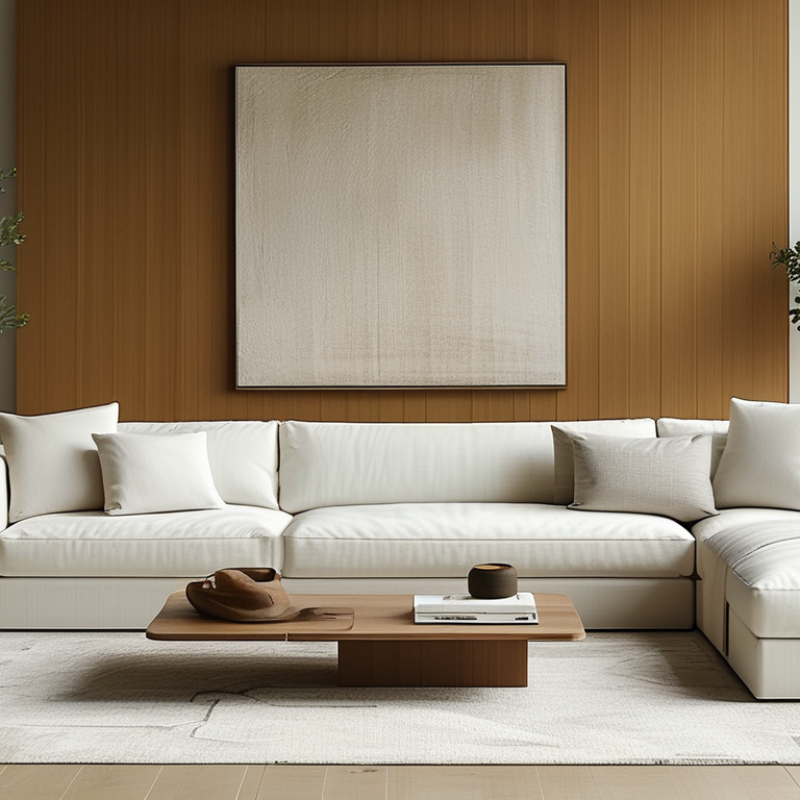
Minimalist design principles focus on simplicity, functionality, and the ‘less is more’ approach. This style emphasizes open space and the elimination of clutter. According to a recent industry report, minimalist spaces can improve mental clarity and well-being by reducing overstimulation. When choosing living room furniture, prioritize essential pieces that serve multiple functions. Consider a coffee table with storage capabilities. It helps maintain order while incorporating aesthetics.
Color palettes in minimalist design are crucial. Neutral shades dominate, creating a serene atmosphere. However, integrating a pop of color can enhance character and focus. A survey reports that 73% of participants favor neutral tones for their living spaces. While the minimalist look is appealing, it often challenges individuality. Striking a balance between personal expression and simplicity can be tough. Simple decorations or art pieces can convey personal stories without overwhelming the space. Remember, minimalism requires ongoing reflection to ensure that each piece adds value.
Choosing essential furniture pieces for a minimalist living room requires careful consideration. According to the 2023 Furniture Industry Survey, 72% of homeowners prefer spaces that feel open and uncluttered. This preference emphasizes the importance of selecting only what is necessary. When selecting furniture, focus on items that serve multiple functions, such as a coffee table with storage or a sofa bed. These choices help maintain simplicity while enhancing utility in small spaces.
Color also plays a crucial role in achieving a minimalist aesthetic. Neutral palettes dominate minimalist designs, with 65% of designers recommending whites, grays, and earth tones. These colors create a sense of calm and spaciousness. However, striking a balance between minimalism and personality is essential. Incorporating a single statement piece, like a colorful chair or unique artwork, can add character without overwhelming the space.
In the pursuit of minimalist living, one must consider the emotional impact of their choices. According to a recent study by the Journal of Home Psychology, cluttered spaces can increase stress levels. Thus, thoughtful selection of each piece is critical. Reflect on how each item contributes to your well-being and remove what does not serve a purpose or bring joy. This introspective approach leads to a more harmonious living environment.
Creating a minimalist living room starts with a neutral color palette. A study by the American Society of Interior Designers shows that 70% of homeowners prefer serene colors like beige, gray, and white. These tones promote a calm atmosphere, perfect for relaxation.
When choosing colors, remember the psychology of hues. Neutral shades create a spacious illusion. They allow light to bounce around effectively. For instance, a soft gray sofa paired with white walls enhances brightness. On the other hand, consider how quickly trends change. What feels modern today might not resonate in a few years. This calls for reflection on your choices.
Textures play a vital role in a minimalist space. Incorporating natural materials adds warmth and depth. A wooden coffee table can complement a sleek, white sofa beautifully. However, combining too many textures may clutter your design. Aim for balance to maintain a clean aesthetic. Balancing neutrality with warmth encourages an inviting environment while staying true to minimalist principles.
| Furniture Item | Material | Color | Style | Recommended Use |
|---|---|---|---|---|
| Sofa | Fabric | Light Gray | Contemporary | Main seating area |
| Coffee Table | Wood | Natural | Minimalist | Centerpiece for seating |
| Armchair | Leather | Beige | Scandinavian | Additional seating |
| Bookshelf | Metal | White | Industrial | Display books and decor |
| Side Table | Glass | Transparent | Modern | Beside the sofa or chair |
When selecting furniture for a minimalist living room, functionality plays a key role. Look for pieces that serve multiple purposes. A coffee table with storage can reduce clutter. Modular sofas allow for flexibility in arrangement. Such choices not only save space but also enhance the overall aesthetic.
Incorporate decor that is both decorative and practical. Wall shelves can display art while providing storage. Select a few well-placed plants. They bring life and warmth to the space without overwhelming it. Choose a large mirror to create an illusion of more space. Minimalism thrives on simplicity, yet each selected piece should serve a specific function.
Reflect on your current items. Are they truly necessary? Consider letting go of pieces that add visual noise. Each item should complement your minimalist vision. It’s about creating a serene, clutter-free environment. Simplifying your space can lead to a clearer mind and a more enjoyable living experience.
Creating an open and airy living room starts with smart furniture arrangement. According to a report by the American Institute of Architects, 63% of homeowners prefer minimal designs that promote a sense of space. This is vital for fostering a calm atmosphere. To achieve this, choose furniture that complements, rather than overcrowds, your room. Opt for low-profile sofas, lightweight chairs, and glass tables to create visual openness.
Consider the traffic flow. Leaving pathways of at least 24 inches ensures comfortable movement. Arranging furniture to facilitate these pathways can make a space feel larger. You may want to angle chairs towards each other. This invites conversation and promotes a communal feel without cluttering the area. Look at your room from different angles. Sometimes, unexpected placements create a refreshing outlook.
Lighting significantly impacts how airy your room feels. Natural light can enhance minimalist designs. The National Association of Home Builders reports that homes with ample natural light can reduce stress. Utilize mirrors to reflect light and create depth. However, be mindful of over-decorating. A few well-placed accessories can enhance minimalism, but excess can quickly overwhelm a space. Balance is key, and reflecting on what truly enhances your design is crucial.
: Minimalist design emphasizes simplicity, functionality, and the idea that less is more.
Neutral shades create a serene atmosphere, contributing to mental clarity and a calm environment.
Incorporating a single statement piece, like colorful furniture or unique artwork, can enhance individuality.
Prioritize essential multi-functional pieces, such as a storage coffee table or sofa bed, to maintain simplicity.
Smart arrangement can promote an open feel by complementing the space, allowing for comfortable movement and flow.
Ensure pathways are at least 24 inches wide for easy movement, which contributes to a larger feel.
Natural light enhances spaciousness and reduces stress, making your room feel more airy and inviting.
Over-decorating can overwhelm the area; aim for balance with a few carefully chosen accessories.
Consider how each item contributes to your well-being and remove anything not serving a purpose or bringing joy.
Balancing personal expression with simplicity can be tough, requiring ongoing reflection and adjustment on your choices.
When considering how to match living room furniture with a minimalist interior, understanding the principles of minimalist design is crucial. This involves selecting essential furniture pieces that serve a purpose while maintaining a sleek aesthetic. Opt for a neutral color palette to create a calming environment and ensure that the space feels cohesive and uncluttered. Incorporating functional decor not only adds to the minimalist theme but also enhances the overall functionality of the room.
Arranging furniture thoughtfully is key to achieving an open and airy feel. This can be done by keeping pathways clear and ensuring that each piece complements the overall design, thus promoting a serene atmosphere. By focusing on these aspects, you can effectively create a living space that embodies minimalism while still being inviting and functional.

Ramsey Furniture