When considering the hospitality industry, one essential question arises: "How much does it cost to furnish a 100-room hotel?" This question is not just about budgeting; it reflects the intersection of design, guest comfort, and profitability. According to a report by the Hospitality Management Group, the average cost to furnish a hotel room can range from $15,000 to $30,000. This means that for a 100-room hotel, the total expenditure can vary significantly.
Expert David Thompson, a veteran in hotel renovations, emphasizes, "Investing wisely in furnishings can influence guest satisfaction and repeat business." His perspective underscores the importance of balancing cost and quality. Some hotel owners may skimp on furnishings to reduce initial expenditures, but this can lead to higher long-term costs due to guest dissatisfaction.
Additionally, not every hotel property is the same. Different markets and themes will impact costs. Luxe hotels may surpass the average, while budget options require more strategic spending. Understanding these nuances is crucial. It’s a reflection of the complexities in making a hotel more than just a place to stay. Well-thought designs attract guests but can burden budgets.
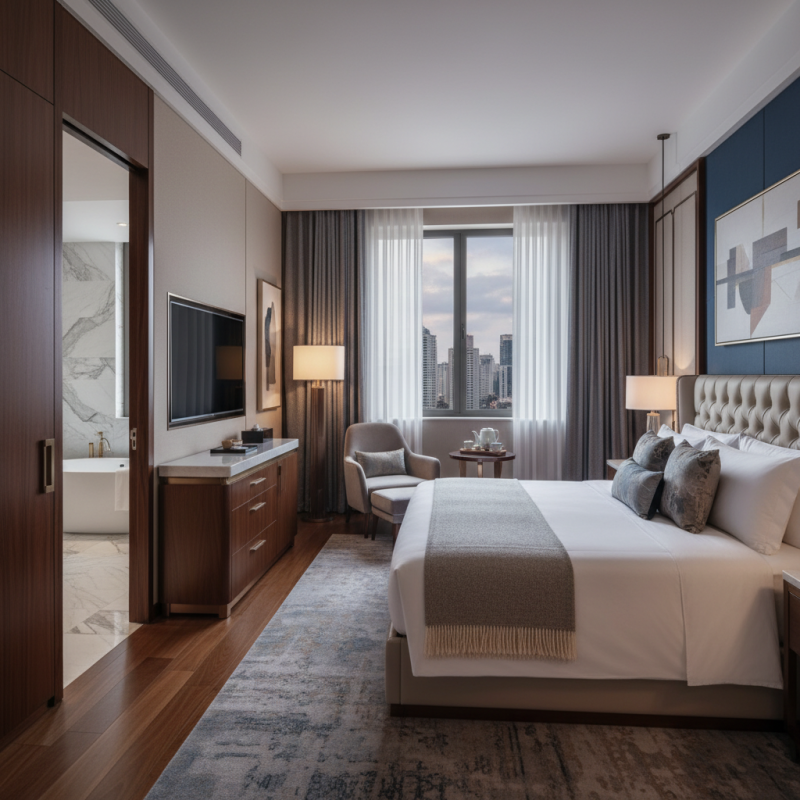
Factors Influencing the Cost of Furnishing a Hotel
Furnishing a 100-room hotel can be a significant investment. The costs depend on various factors. Location plays a crucial role. Urban settings typically have higher prices than rural areas. The overall design theme also matters. A luxury aesthetic demands higher-quality materials. On average, the cost per room can range from $10,000 to $30,000.
Labor costs are another variable. Importing furniture may increase expenses substantially. According to the American Hotel & Lodging Educational Institute, labor typically comprises 25-35% of furnishing costs. Engaging skilled contractors ensures proper installation. This may lead to a smoother opening process.
Tip: Consider sourcing locally to reduce shipping costs and support nearby businesses.
Quality and durability should not be overlooked. Investing in long-lasting materials can reduce future replacement costs. Regular maintenance may be necessary. Evaluate the trade-off between immediate savings and long-term durability.
Tip: Create a mixed-use space to maximize versatility. This approach can amplify your investment and attract diverse guests.
Breakdown of Expenses for Furnishing Guest Rooms
Furnishing a 100-room hotel involves a careful breakdown of expenses. Data suggests that the average cost per room ranges from $10,000 to $15,000, depending on location and hotel category. This means total costs could range from $1 million to $1.5 million. Design choices play a vital role in overall expenses.
Guest room furnishings typically include beds, linens, seating, and decor. A quality mattress averages $1,000, and bedside tables can range from $200 to $600. Lighting fixtures, essential for ambiance, usually cost around $150 each. These items contribute significantly to the room's aesthetic and functionality.
It’s important to also consider common areas. Lobbies and dining spaces require additional investment. Furnishing these shared areas can add another $250,000 to $500,000. The overall design vision should ideally create a seamless guest experience. However, balancing quality and cost can be challenging. Finding reliable suppliers may require careful research and networking to avoid delays or subpar materials.
Cost Breakdown for Furnishing a 100 Room Hotel
Estimating Costs for Common Hotel Areas and Amenities
Furnishing a 100-room hotel can be a significant investment. Costs vary based on location, market, and design choices. For common areas, such as the lobby and dining space, you might spend around $35,000 to $50,000 per room. This includes furniture, fixtures, and decorative items. Guest rooms will generally cost about $15,000 to $25,000 each. These figures can fluctuate widely based on your desired aesthetics and functionality.
When planning, consider the layout of communal spaces. Effective use of space enhances guest experience. Investing in durable materials can reduce long-term costs. Aim for a balance between style and practicality. Adding tech amenities, like charging stations and smart TVs, can attract more guests.
Tips: Focus on the hotel's target demographic. Families may prefer spacious areas, while business travelers often appreciate quieter, functional zones. Emphasize comfort in room design. A welcoming atmosphere is crucial for guest satisfaction. Also, question every decision. Will the items serve their purpose? Are they worth the expense? This reflective approach can help avoid costly mistakes.
How much does it cost to furnish a 100 room hotel? - Estimating Costs for Common Hotel Areas and Amenities
| Area |
Estimated Cost per Room ($) |
Total Cost for 100 Rooms ($) |
| Guest Rooms |
5,000 |
500,000 |
| Lobby |
50,000 |
50,000 |
| Meeting Rooms |
30,000 |
30,000 |
| Dining Area |
40,000 |
40,000 |
| Fitness Center |
20,000 |
20,000 |
| Pool Area |
25,000 |
25,000 |
| Restrooms |
10,000 |
10,000 |
| Hallways |
15,000 |
15,000 |
| Total Estimated Cost ($) |
|
690,000 |
Budgeting for Furnishing: Strategies for Cost Management
Furnishing a 100-room hotel is no small feat. It demands careful planning and strategic budgeting. First, identify the key areas where costs can be managed without sacrificing quality. Look for durable materials that are stylish yet affordable. This balance is essential in creating a welcoming environment.
Tips: Consider bulk purchasing to save on costs. Many suppliers offer discounts for larger orders. Also, focus on multi-functional furniture to maximize room usability. A well-planned design can minimize wasted space and unnecessary expenses.
Moreover, keep an eye on trends that offer value. While trendy items may seem appealing, they often age quickly. Choose classic designs that remain timeless. This decision might require reflection but can save money in the long run. Remember, each choice impacts your overall budget, so think critically about each investment.
Long-term Investment: Durability and Maintenance Considerations
When furnishing a 100-room hotel, durability and maintenance are key factors. The cost of furniture varies, but investing in quality materials is crucial. Opting for budget-friendly items may save money initially, but they often don’t withstand heavy use. Chairs that wear out quickly or tables that chip easily can lead to higher replacement costs over time.
Consider the materials used. Solid wood offers longevity, while particleboard may not hold up in high-traffic areas. Upholstery fabric should be chosen for both aesthetic appeal and stain resistance. Vinyl or treated fabrics could be wise choices for durability and ease of cleaning. A well-thought-out maintenance plan is vital. Regular inspections can identify wear and tear before it becomes a bigger problem.
Some may overlook the importance of choosing versatile furniture. Pieces that serve dual purposes can save space and costs. However, not every design is functional for all guests. Reflecting on the balance between style and practicality will guide long-term decisions. Investing wisely today can reduce future headaches and losses.
FAQS
: Location is key. Urban areas are typically more expensive than rural ones.
Costs generally range from $10,000 to $30,000 per room.
Labor can account for 25-35% of furnishing expenses. Skilled contractors are worth the investment.
Source furniture locally to cut shipping expenses. This also supports local businesses.
High-quality materials are crucial for durability and can save replacement costs in the long run.
Solid wood is more durable than particleboard. Choose fabrics that are stain-resistant and easy to clean.
Multi-purpose furniture can save space and costs. However, ensure it fits various guest needs.
A proactive maintenance plan helps identify issues early, preventing larger problems later.
No, long-term durability often leads to fewer headaches and lower costs over time.
A luxury aesthetic requires higher-quality materials, leading to increased costs. Consider balancing style and budget.
Conclusion
Furnishing a 100-room hotel involves various factors that significantly influence the overall cost. To answer the question, "How much does it cost to furnish a 100-room hotel?" one must consider the breakdown of expenses related to guest rooms, common areas, and amenities. Key elements include furniture, fixtures, linens, and decor, along with necessities for public spaces such as lobbies and dining areas.
Effective budgeting strategies are crucial for cost management, ensuring that hotels can achieve an appealing aesthetic without overspending. Additionally, considering durability and maintenance is vital, as these decisions will impact long-term investment and operational costs. Ultimately, a well-planned approach can lead to a successful and economically feasible hotel furnishings project.

 Ramsey Furniture