How to Create a Functional Layout for a Modern Hotel Lobby?

Time:2026-05-16 Author:Charlotte
0%

Creating a functional layout for a modern hotel lobby is essential for enhancing guest experience. The lobby is the first impression of a hotel. It should be welcoming yet functional. You might wonder, "How to design a functional layout for a modern hotel lobby?" The layout must encourage social interaction while providing necessary amenities.

Think about the flow of movement. Guests should navigate easily without feeling cramped. Consider placing seating areas strategically. Create spaces for both quiet relaxation and lively conversation. Lighting plays a crucial role too. It can affect mood and comfort.

A well-thought-out lobby design reflects the hotel's brand identity. It should incorporate local elements to create a sense of place. While there are best practices, flexibility in design is also important. Needs may evolve over time. Regular reflection on the space can lead to improvements. This approach ensures the lobby remains a vibrant hub for guests.
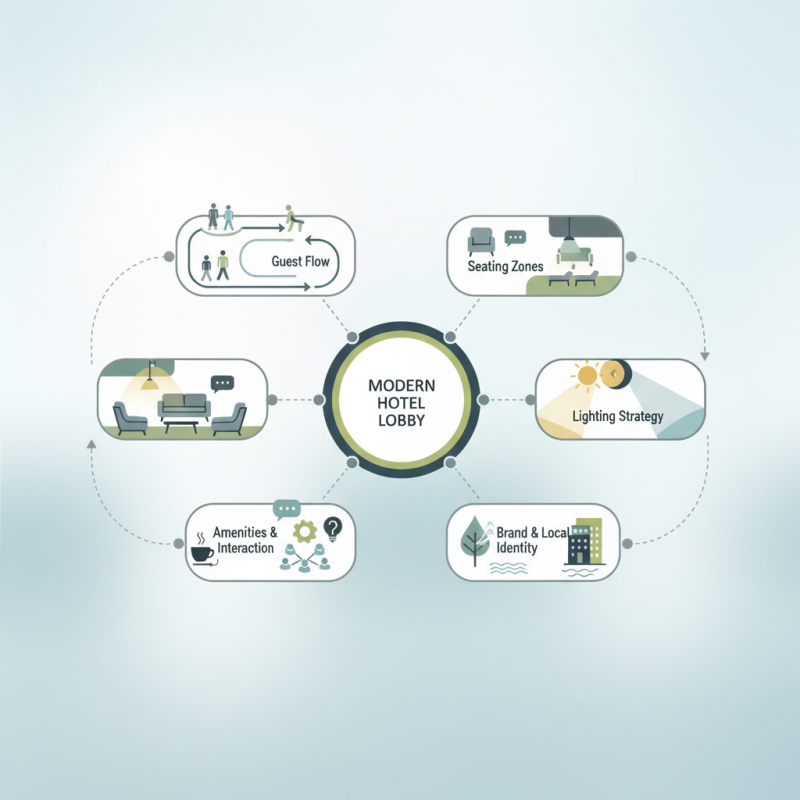
How to Create a Functional Layout for a Modern Hotel Lobby?

Understanding the Purpose of a Hotel Lobby in Modern Hospitality

A hotel lobby serves as the gateway to a guest's experience, shaping their first impressions. It is more than just a waiting area; it embodies the hotel’s ethos and provides a multifunctional space. Modern guests desire comfort, aesthetics, and connectivity. Therefore, a lobby should blend both relaxation and engagement. Designers must consider seating arrangements, ambiance, and accessibility to meet diverse needs.

Creating an inviting atmosphere is crucial. Soft lighting and natural elements can evoke warmth. Incorporating technology, like charging stations and interactive displays, facilitates guest interaction. However, balancing these elements can be challenging. A lobby may feel too cluttered with furniture or overwhelming with decor. Continually assessing the flow of foot traffic helps ensure that the space remains functional and comfortable.

The lobby also acts as a social hub. It encourages connections among guests. Thoughtful seating arrangements can foster conversations but may inadvertently exclude some. Designers should reflect on how the space can be welcoming for all, including families and solo travelers. Understanding these dynamics is vital in modern hospitality.

Key Elements of Functional Lobby Design for Guest Experience

A functional hotel lobby is essential for enhancing the guest experience. The layout should prioritize flow and comfort. Provide clear pathways for guests and staff to navigate easily. Comfortable seating areas encourage social interaction and relaxation. Incorporating natural lighting can create a warm and inviting environment.

When designing, consider the elements that make guests feel at ease. Art or local decor can personalize the space, creating a sense of place. Use diverse seating arrangements to accommodate different group sizes. A welcoming reception desk should be visible upon entry, ensuring guests feel acknowledged immediately.

Tips for creating a functional lobby:

  • Keep furniture ergonomic and practical.
  • Use plant life or water features for tranquility.
  • Think about acoustics; soft background music can enhance ambiance.
Remember, a lobby should reflect the hotel's brand while being adaptable to various needs. Engaging staff can provide valuable insights into guest preferences and behaviors.

Zoning Spaces: Creating Areas for Check-In, Relaxation, and Socializing

Creating distinct zones in a hotel lobby is crucial for enhancing guest experiences. The check-in area should be inviting and efficient. Thoughtful placement of the front desk can minimize wait times. Use natural materials to create a warm atmosphere. Consider incorporating a digital check-in kiosk. This option caters to tech-savvy guests while reducing congestion.


Relaxation spaces are equally important. Comfortable seating arrangements invite guests to unwind. Group chairs or couches can encourage conversation. Soft lighting and greenery enhance this calming ambiance. Guests may feel more at home surrounded by plants. However, ensuring privacy within these social areas is essential.


Socializing areas can be more dynamic. Design flexible spaces that accommodate various activities. Modular furniture can adapt to different group sizes. While designing, consider acoustics. Noise can disrupt interactions. Implementing sound-absorbing materials may improve guest comfort. Reflecting on layout functionality is vital. Spaces should evolve with guests' needs.

Incorporating Technology and Accessibility in Lobby Layout

Creating a functional hotel lobby layout requires careful attention to technology and accessibility. Modern travelers expect seamless integration of tech into their experiences. For instance, offering mobile check-in options can streamline guest arrivals. Digital kiosks for information and reservations can enhance convenience. However, these tech solutions must be user-friendly. Complicated interfaces may frustrate guests, detracting from their experience.

Accessibility is equally crucial. A well-designed lobby needs wide walkways to accommodate guests with disabilities. Seating should cater to various needs, balancing comfort with aesthetics. Consideration for sensory-friendly spaces can also make a difference. While adding features, it's vital to avoid overcrowding. An inviting atmosphere should prioritize movement and interaction.

Incorporating both tech and accessibility requires a thoughtful approach. Feedback from guests on layout designs can reveal flaws. Not every detail will work initially, and adjustments may be necessary. Maintaining flexibility in lobby design allows it to evolve with changing guest needs and technological advancements.

Modern Hotel Lobby Layout Characteristics

Aesthetic Considerations: Balancing Style and Function in Lobby Design

Creating a modern hotel lobby goes beyond superficial aesthetics. It's about striking a balance between style and function. According to a report by the American Hotel and Lodging Educational Institute, approximately 68% of guests say lobby ambiance influences their overall experience. This statistic emphasizes the need for a thoughtful approach to design.

In your lobby, consider integrating inviting seating arrangements that encourage conversation. Use a mix of textures and colors to create depth. Biophilic design elements, such as indoor plants, can enhance guest well-being. However, it’s crucial not to overcrowd the space. A minimalist approach can sometimes yield better results.

Tips: Incorporate art pieces that reflect local culture. This adds a sense of place while enhancing visual appeal. Also, ensure lighting is flexible; bright during peak hours and soft in the evening. While style is important, prioritize functionality to accommodate guests' diverse needs, and remember that clarity in navigation is essential. The ideal lobby should foster both relaxation and connection.

How to Create a Functional Layout for a Modern Hotel Lobby? - Aesthetic Considerations: Balancing Style and Function in Lobby Design

Design Element Functionality Aesthetic Appeal Examples
Seating Area Comfortable seating for guests to relax and socialize Stylish chairs and sofas that complement the lobby theme Lounge chairs, modular seating arrangements
Reception Desk Efficient check-in and concierge services Sleek design with high-quality materials Marble or wood reception counters
Lighting Creates a welcoming atmosphere and highlights design features Dramatic and artistic light fixtures Chandeliers, recessed lighting
Art and Decor Enhances the character and uniqueness of the hotel Curated art pieces that reflect local culture Local artwork, sculptures
Flooring Durable and easy to maintain while providing comfort Elegant finishes that tie the lobby together Luxury carpets, polished tiles

FAQS

: Why is a functional hotel lobby important for guests?

: A functional lobby enhances the guest experience by prioritizing flow, comfort, and ease of navigation.

What key features should a lobby include?

The lobby should have clear pathways, comfortable seating, natural lighting, and personalized decor for an inviting atmosphere.

How can seating arrangements affect guest interaction?

Diverse seating arrangements encourage socializing. Comfortable chairs and couches invite guests to relax and engage in conversation.

What role does technology play in lobby design?

Technology like mobile check-in and digital kiosks can streamline guest experiences but must remain user-friendly to avoid frustration.

How important is accessibility in lobby design?

Accessibility is crucial. Wide walkways and varied seating options ensure all guests can navigate comfortably.

What should a check-in area prioritize?

The check-in area should be inviting, efficient, and minimize wait times, enhancing overall guest satisfaction.

How can acoustics impact the lobby experience?

Poor acoustics can disrupt guest interactions. Soft background music and sound-absorbing materials create a more enjoyable environment.

What elements can create a calming atmosphere?

Incorporating plants and water features can enhance tranquility and make guests feel more at home.

Why is flexibility vital in lobby design?

Lobby spaces need to evolve with guests' needs and technological changes, ensuring ongoing relevance and comfort.

What can feedback from guests reveal about lobby design?

Guest feedback can highlight flaws in the layout, helping to refine design elements and improve overall functionality.

Conclusion

Creating a functional layout for a modern hotel lobby involves a comprehensive understanding of its role in hospitality today. A lobby serves as the first impression for guests, and its design should enhance the overall guest experience. Key elements include designated areas for check-in, relaxation, and social interaction, allowing for a seamless flow of movement.

Zoning spaces effectively ensures that guests can enjoy different atmospheres, whether they are arriving, waiting, or socializing. Additionally, incorporating technology and prioritizing accessibility are essential for modern designs. Aesthetic considerations must align with functionality, creating a space that is both inviting and stylish. Ultimately, addressing the question of how to design a functional layout for a modern hotel lobby requires a balance between practical use and an appealing environment, enhancing the overall guest experience.

Charlotte

Charlotte

Charlotte is a seasoned marketing professional with a deep understanding of the company's portfolio and a passion for elevating its presence in the market. With a keen eye for detail and a commitment to excellence, she ensures that our professional blog is regularly updated with insightful articles......