Why is Ergonomic Furniture Key to Boosting Employee Productivity?

Time:2026-06-10 Author:Aria
0%

The workspace is evolving, and so are the needs of employees. "Why is ergonomic furniture essential for employee productivity?" This question is gaining traction across industries. A recent study by the World Health Organization found that musculoskeletal disorders account for 60% of lost workdays. This highlights the necessity for industries to address workplace ergonomics.

Investing in ergonomic furniture can lead to significant productivity gains. According to a report from the American Journal of Public Health, well-designed workspaces enhance employee efficiency by up to 20%. Proper support and comfort reduce fatigue and discomfort. This results in fewer distractions and more focus on work tasks.

However, many organizations overlook this crucial factor. Traditional office setups often ignore basic ergonomic principles. Employees may experience chronic pain, resulting in decreased morale. Employers must recognize the importance of a supportive environment. Reflecting on these aspects could transform workplace culture and drive productivity.
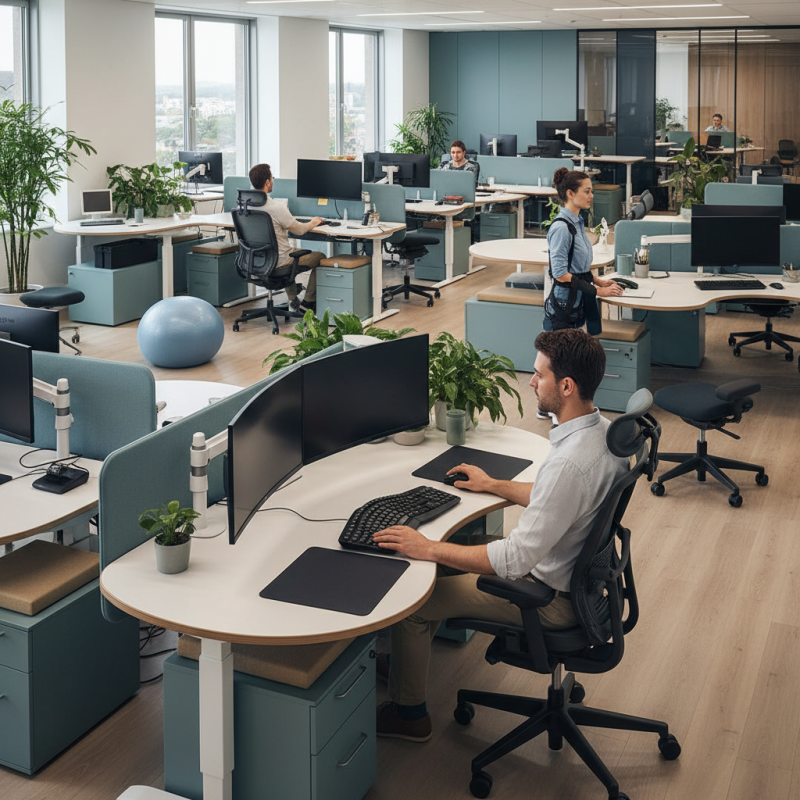
Why is Ergonomic Furniture Key to Boosting Employee Productivity?

Importance of Ergonomics in the Workplace for Employee Well-being

In today's fast-paced work environment, employee well-being is crucial. Ergonomics plays a vital role in creating a comfortable workspace. Proper ergonomic furniture reduces strain and discomfort, ultimately enhancing productivity. A poorly designed chair can lead to back pain. This often results in distractions and inefficiency. By investing in ergonomic options, companies show they value their employees.

Tips for improving workplace ergonomics include adjusting chair height. Your feet should rest flat on the floor. This prevents unnecessary pressure on your legs. Position your monitor at eye level to reduce neck strain. Taking regular breaks is essential as well. Stand, stretch, or walk around to keep blood flowing.

Creating an ergonomic workspace doesn't have to be expensive. Simple adjustments can make a significant difference. Employees should feel empowered to communicate their needs. Consider conducting ergonomic assessments regularly. Engage employees in discussions about their comfort. This can lead to a more positive work atmosphere, fostering both well-being and productivity.

Why is Ergonomic Furniture Key to Boosting Employee Productivity?

Aspect Employee Impact Statistical Data
Posture Support Reduces back pain and discomfort 70% of employees reported improvement
Increased Focus Enhances concentration during tasks 60% of employees noted higher focus levels
Reduced Fatigue Sustains energy throughout the day 50% experienced less fatigue
Overall Satisfaction Enhances job satisfaction levels 75% reported higher satisfaction

Impact of Ergonomic Furniture on Employee Physical Health

Investing in ergonomic furniture can significantly improve employee physical health. According to the Occupational Safety and Health Administration (OSHA), nearly 2 million workers suffer from work-related musculoskeletal disorders annually. These conditions are often linked to improper seating and workstation design. Ergonomic furniture is vital in reducing these risks by supporting the natural posture of the body.

Research by the American Journal of Public Health highlights that workplaces with ergonomic setups report a 25% decrease in worker injuries. Proper ergonomic chairs and desks promote better posture, which can alleviate back pain and reduce strain. This results in less absenteeism and greater job satisfaction among employees.

Despite these benefits, many companies still overlook ergonomic solutions. Some may see them as too costly or unnecessary. Failing to prioritize ergonomic furniture could lead to long-term issues for employees. This not only affects their health but also the overall productivity of the organization. A healthier workforce is a more productive workforce. The evidence is clear: investing in ergonomic furniture is not just an expense; it’s a long-term investment in employee well-being.

How Ergonomic Design Enhances Focus and Reduces Distractions

Ergonomic design greatly enhances focus by creating a comfortable workspace. According to a study by the Center for Ergonomics, employees using ergonomic furniture report a 17% increase in their ability to concentrate. This is largely due to proper alignment and support, which reduces physical discomfort. Employees who experience less pain are better able to stay engaged in their tasks.

Moreover, ergonomic setups minimize distractions. A report from the Occupational Safety and Health Administration (OSHA) found that workers in ergonomically optimized environments experience fewer interruptions. They tend to take fewer breaks for discomfort, which allows for sustained productivity. Simple adjustments, like adjustable chairs and desks, can lead to a more seamless work experience. It is crucial for businesses to invest in these solutions to enhance overall employee performance.

However, not all ergonomic choices are perfect. Some may find that certain adjustments lead to new discomforts or distractions. Continuous assessment of ergonomic setups is necessary. Employers must ask their teams about their comfort and focus levels. This feedback loop can help fine-tune workspaces. Fostering an adaptable environment allows for maximizing productivity while considering individual needs.

Impact of Ergonomic Furniture on Employee Productivity

The Relationship Between Comfort and Productivity in Work Environments

In modern work environments, employee comfort plays a pivotal role in productivity. Studies show that discomfort can lead to distractions and decreased performance. For instance, an uncomfortable chair might distract a worker during critical tasks. This simple issue can shift their focus from work to adjusting their position.

Good ergonomic furniture, such as adjustable desks and supportive chairs, can significantly enhance comfort. Imagine a workspace designed to fit the individual rather than forcing the individual to fit the workspace. When employees are comfortable, they can concentrate better and engage more deeply with their tasks. Research highlights that employees report feeling less fatigued and more energetic when supported by ergonomic choices.

However, companies often overlook the link between comfort and performance. Many still rely on traditional office setups. They might not recognize how a minor investment in ergonomic furniture can yield greater productivity. Reflection on current practices could reveal areas for improvement. By prioritizing comfort, organizations can cultivate an environment where employees not only work harder but also feel valued and supported.

Investment in Ergonomic Solutions: Long-term Benefits for Employers

Investing in ergonomic solutions can yield significant long-term advantages for employers. Employees who use ergonomic furniture often report increased comfort and reduced pain. This leads to fewer sick days and a more consistent workforce. Over time, this can translate into substantial savings for businesses.


Ergonomic solutions can initially seem costly. However, these investments often pay off through enhanced productivity. A well-designed workspace encourages better posture and focus. Employees may find themselves more engaged and less fatigued. This creates a stronger team dynamic, fostering collaboration and innovation.


Employers must remember that the return on investment may not be immediate. Some employees may take time to adjust to new furniture. Yet, the benefits of improved health and morale can become evident. An ergonomic workspace promotes an atmosphere that prioritizes well-being. In the end, this commitment to employee welfare can elevate a company’s reputation and success.

FAQS

: How does comfort affect productivity in work environments?

: Discomfort leads to distractions and reduced performance. A bad chair can shift focus away from tasks.

What are some benefits of ergonomic furniture?

Ergonomic furniture enhances comfort, reduces fatigue, and promotes better concentration during work.

Why do some companies neglect ergonomic solutions?

Many businesses still use traditional setups. They may not see the value of investing in comfort.

What long-term benefits do ergonomic investments provide?

Ergonomic solutions can lead to less pain, fewer sick days, and higher employee consistency.

Are ergonomic solutions expensive?

They may seem costly initially, but they often result in greater productivity over time.

Do employees need time to adjust to ergonomic furniture?

Yes, some employees may take a while to get used to new furniture and setups.

How does an ergonomic workspace influence teamwork?

A comfortable workspace fosters collaboration and innovation among team members.

Can employer investments in comfort improve company reputation?

Yes, prioritizing employee welfare can enhance a company's reputation and overall success.

What might indicate a need for ergonomic improvements?

Employee discomfort and decreased performance could suggest a need for better solutions.

How can reflection help organizations with comfort strategies?

Reflecting on current practices may reveal areas needing improvement for better productivity.

Conclusion

Ergonomic furniture plays a pivotal role in enhancing employee productivity by prioritizing comfort and well-being in the workplace. The importance of ergonomics lies in its ability to reduce physical strain, thereby promoting better health among employees. When individuals have access to ergonomically designed chairs and desks, they experience fewer discomforts, which translates into improved focus and minimized distractions.

This relationship between comfort and productivity highlights why ergonomic furniture is essential for employee productivity. Furthermore, investing in ergonomic solutions not only benefits employees but also yields long-term advantages for employers, as a healthier workforce typically results in lower absenteeism and increased efficiency. By creating an environment conducive to comfort and well-being, organizations lay the foundation for enhanced performance and overall business success.

Aria

Aria

Aria is a dedicated marketing professional with a deep passion for innovative strategies and a keen understanding of our company's product offerings. With a wealth of experience in the industry, Aria excels at crafting engaging content that highlights the unique features and benefits of our......