In today's fast-paced work environment, many professionals spend extended hours seated. This raises an important question: What makes a chair "ergonomically correct" for long hours? Research indicates that effective ergonomic chairs can improve productivity and reduce discomfort. According to the Occupational Safety and Health Administration (OSHA), nearly 31% of workers experience musculoskeletal disorders linked to poor seating.
An ergonomic chair promotes proper posture and provides necessary lumbar support. A study by the National Institute for Occupational Safety and Health (NIOSH) highlights that chairs designed with user-friendly adjustments can enhance comfort significantly. Efficient chairs should include features like adjustable seat height, backrest, and armrests. These elements not only relieve strain but also accommodate various body types.
However, not every chair labeled "ergonomic" meets long-term needs. Some designs fail to offer adequate support over prolonged use. This inconsistency can lead to discomfort and decreased productivity. Understanding what specifically constitutes ergonomic compliance is crucial for both employers and employees. A well-designed chair is an investment in health and efficiency.
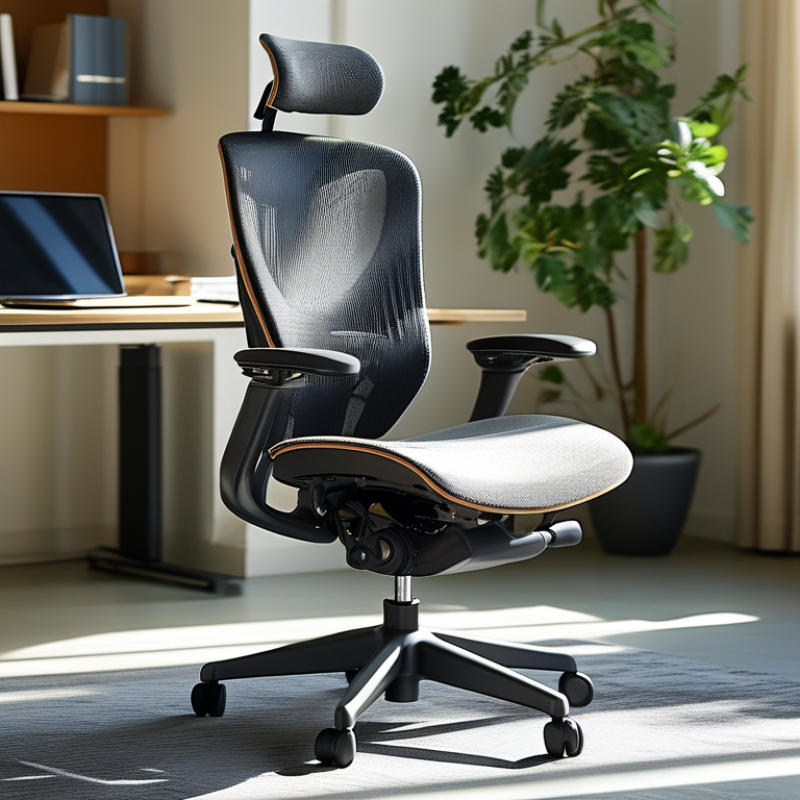
Understanding ergonomics is essential when choosing office chairs for long hours. Ergonomics focuses on creating furniture that supports health and productivity. A well-designed chair promotes proper posture and reduces discomfort. When sitting for extended periods, the right chair can make a significant difference in your comfort levels and overall well-being.
Tips for selecting an ergonomically correct chair: Look for chairs with adjustable height and lumbar support. These features cater to individual body types. Choose a chair that allows your feet to rest flat on the ground. Your knees should be at a 90-degree angle. This positioning helps reduce strain on your legs and back. If your chair lacks these adjustments, consider adding a footrest.
Moreover, pay attention to the material and cushion thickness. Too firm or too soft seats can lead to pressure points. Test the chair for a few minutes to ensure it feels comfortable. Keep in mind that a chair that suits one person might not suit another. It’s crucial to acknowledge personal needs and preferences when assessing ergonomic options.
| Feature | Description | Importance |
|---|---|---|
| Adjustable Seat Height | Allows users to set the chair at a height that aligns with their desk. | Prevents strain on the legs and promotes proper posture. |
| Lumbar Support | Supports the natural curve of the spine and lower back. | Reduces the risk of back pain and discomfort during long hours. |
| Seat Depth Adjustment | Enables adjustment of the seat depth to accommodate different leg lengths. | Enhances comfort and blood circulation in the legs. |
| Armrests | Provides support for the arms and reduces shoulder tension. | Helps in maintaining an optimal sitting posture. |
| Swivel Base | Allows users to rotate and reach different areas without straining. | Increases mobility and reduces the necessity for twisting movements. |
| Breathable Material | Fabric that promotes air flow to keep the user cool and comfortable. | Prevents overheating and sweating during extended use. |
: Ergonomics aims to design furniture that supports health and productivity. It promotes proper posture and reduces discomfort.
A good chair can greatly improve comfort levels and overall well-being during prolonged periods of sitting.
Adjustability in height and lumbar support is vital. These features accommodate different body types effectively.
Feet should rest flat on the ground, with knees at a 90-degree angle. This helps reduce strain.
Yes, seat firmness matters. Too hard or too soft can lead to pressure points. Test before purchase.
Lumbar support maintains the spine's natural curve and reduces strain during long use, decreasing lower back pain.
Yes, adjustable armrests support arms and reduce shoulder tension. Neglecting arm posture can lead to discomfort.
Yes, regularly assessing comfort and making adjustments can enhance the ergonomic experience over time.
Absolutely, breathable materials can improve comfort. It’s crucial to choose wisely for extended sitting.
No, what suits one person may not suit another. Personal needs and preferences matter greatly in selection.
The question "What makes a chair 'ergonomically correct' for long hours?" revolves around several crucial factors. Firstly, understanding ergonomics is essential as it directly impacts comfort and health during extended office work. Key features include proper adjustability, which allows individuals to tailor the chair to their specific needs, and a supportive design that focuses on lumbar support and seat shape, promoting natural posture and reducing strain on the body.
Moreover, the materials and construction of an ergonomic chair play a vital role in enhancing comfort for long periods. High-quality materials can prevent overheating and discomfort, ensuring that users remain focused and productive. In summary, an ergonomically correct chair for long hours is one that seamlessly combines adjustability, support, and comfort, fostering a healthier work environment.

 Ramsey Furniture