Why Do Hospitals Prefer Seamless Furniture Designs for Efficiency?

Time:2026-05-25 Author:Mason
0%

In the fast-paced world of healthcare, efficiency is paramount. Hospitals are increasingly turning to seamless furniture designs to streamline operations and enhance patient care. According to a recent report by the Healthcare Design Institute, 78% of hospital administrators believe that the aesthetic and functional qualities of furniture directly impact staff productivity and patient satisfaction. "Why do hospitals prefer seamless furniture designs?" is a question often posed by industry stakeholders, and the answer lies in the fusion of form and function.

Expert Susan Adler, a leading interior designer in healthcare, emphasizes this point: "Seamless designs reduce clutter and improve workflow, leading to better patient outcomes." This perspective highlights the vital role of furniture in shaping hospital environments. Seamless furniture minimizes joints and seams, making it easier to clean while promoting infection control. Such designs also enhance mobility and adaptability within care settings.

However, the transition to seamless furniture is not without challenges. Some hospitals struggle with the initial costs associated with these modern designs. Additionally, choosing the right materials requires careful consideration. Hospitals must balance budget constraints with the need for durability and aesthetic appeal. Thus, the conversation continues around why seamless furniture is critical for optimizing healthcare environments.
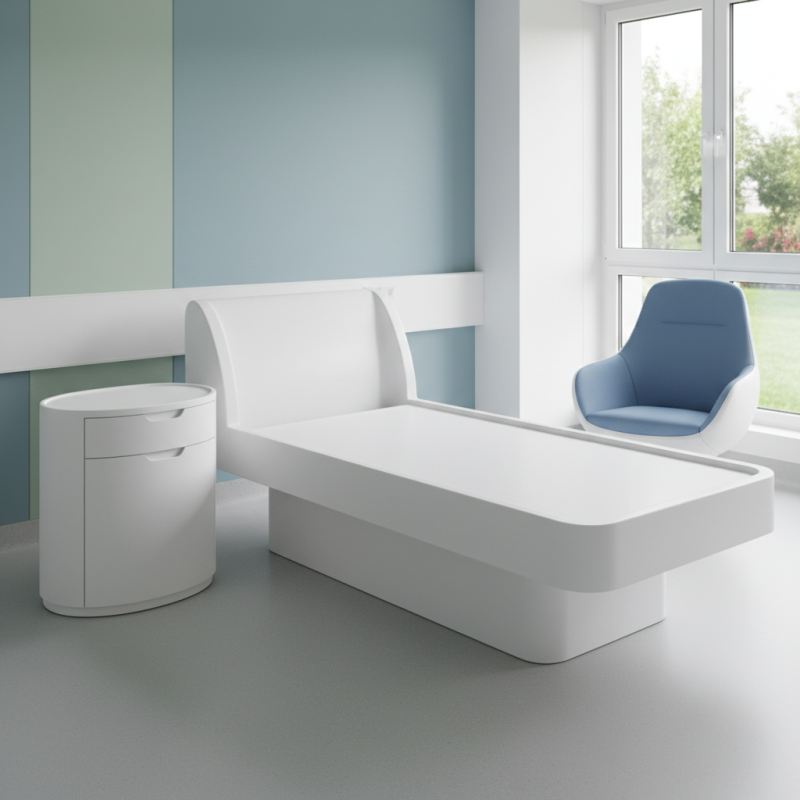
Why Do Hospitals Prefer Seamless Furniture Designs for Efficiency?

Factors Driving the Shift to Seamless Furniture in Hospitals

Hospitals are increasingly embracing seamless furniture designs. This shift primarily focuses on enhancing efficiency in healthcare environments. Seamless furniture minimizes areas where dirt and germs can accumulate, promoting a hygienic atmosphere. This is critical, as clean spaces help reduce hospital-acquired infections. Furthermore, the ease of cleaning and maintenance provided by seamless surfaces saves time for healthcare staff.

One of the driving factors is patient safety. Aging populations often require more care. Therefore, seamless designs minimize hazards that may arise from seams and joints. This creates a safer environment for patients who may have mobility challenges. Additionally, these designs can be customized to fit various hospital layouts. Flexibility in furniture arrangements is essential for adapting to diverse patient needs.

Tips: Consider the layout of each room. Assess how furniture can enhance workflow. Ergonomics are vital for staff comfort. Seamless designs can also integrate technology. This supports better patient monitoring and care operations. Explore different colors and materials. This can uplift the hospital's atmosphere while maintaining functionality.

Impact of Seamless Furniture on Workflow Efficiency in Healthcare Settings

In healthcare settings, the design of furniture plays a crucial role in workflow efficiency. Seamless furniture designs eliminate barriers, allowing staff to move easily. With fewer edges and seams, surfaces are easier to clean. This is vital for maintaining hygiene and reducing infection risks. The smooth transitions between furniture pieces can streamline patient care processes.

Tips: Consider how furniture placement affects movement. Create pathways that reduce the need for backtracking. Keep essential items within reach to enhance efficiency.

The aesthetic aspect of seamless designs also impacts the work environment. A unified look can promote a sense of calm. However, the initial cost may be a barrier. Investing in quality furniture can lead to long-term savings. It's worth reflecting on the balance between immediate spending and future benefits.

Furniture can influence collaboration among staff. Seamless designs encourage teamwork, facilitating communication. Yet, individual preferences may vary. One design may not suit every user. Feedback from healthcare employees can guide better choices. Regular assessments can ensure furniture continues to meet evolving needs.

Design Considerations for Seamless Furniture in Hospital Environments

Seamless furniture designs are increasingly preferred in hospital environments. These designs eliminate sharp edges and seams, creating a safer space for patients and staff. Traditional furniture often collects dust and bacteria in hard-to-reach areas. Seamless options simplify cleaning processes, enhancing overall hygiene.

Practicality is a vital consideration. Many hospital areas require flexibility in furnishing. Modular, seamless designs adapt easily to changes in layout. This adaptability is essential in dynamic healthcare settings.

Aesthetic appeal also can't be overlooked. Clean lines and smooth surfaces contribute to a calming atmosphere, crucial in patient care.

However, not all seamless designs are perfect. Some materials may lack durability. Careful evaluation of long-term use versus aesthetics is necessary. Cost is another factor; high-quality seamless options can be expensive. Hospitals must weigh functionality against budget constraints. Balancing these considerations is key to achieving an efficient environment.

Patient Safety and Comfort: The Role of Seamless Furniture Designs

Seamless furniture designs are gaining popularity in hospitals for several compelling reasons. One major factor is patient safety. These designs eliminate gaps and crevices where germs can thrive. Infections are a significant concern in healthcare settings. When furniture is easy to clean, it aids in maintaining a sterile environment. Even small design choices can have big impacts on hygiene.

Comfort is equally crucial in hospital settings. Patients often experience anxiety during their stay. Furniture that feels inviting and comfortable can enhance their overall experience. Seamless designs reduce hard edges, creating a more soothing atmosphere. Designed with materials that promote comfort, they help patients feel more at ease.

However, achieving a perfect balance between functionality and aesthetics is challenging. Not all seamless designs are suitable for every situation. Some may lack necessary support features. Hospitals must evaluate the needs of their patients versus the constraints of design. This careful consideration is essential for creating a supportive environment. Ultimately, seamless furniture should prioritize both safety and comfort to enhance patient care effectively.

Cost-Effectiveness of Investing in Seamless Furniture Solutions in Hospitals

Seamless furniture designs are becoming increasingly popular in hospitals due to their cost-effectiveness. A recent report indicates that seamless furniture can reduce maintenance costs by up to 30%. This reduction stems from fewer joints and crevices where dirt and bacteria accumulate. Consequently, hospitals can focus more resources on patient care rather than cleaning and maintenance.

Investment in seamless furniture not only saves on cleaning costs but also promotes a healthier environment. One study reveals that cleaner environments lead to a 20% decrease in hospital-acquired infections. Patients benefit when their surroundings are sterile and easy to sanitize. Therefore, the upfront cost of seamless furniture is often recouped through reduced infection rates and shorter patient stays.

However, some hospitals hesitate to adopt these solutions. They question the initial investment versus long-term savings. Budget constraints can make these decisions difficult. Despite this, the long-term benefits of improved efficiency and patient outcomes often outweigh concerns. As healthcare facilities embrace seamless designs, they create better environments for both patients and staff.

Efficiency and Cost-Effectiveness of Seamless Furniture Solutions in Hospitals

FAQS

: Why are hospitals adopting seamless furniture designs?

: Hospitals use seamless furniture to enhance efficiency and minimize dirt accumulation. This promotes a hygienic atmosphere.

How does seamless furniture improve patient safety?

Seamless designs reduce hazards from seams, creating safer spaces for patients, especially the elderly and mobility-impaired.

What are some cleaning benefits of seamless furniture?

Seamless surfaces are easier to clean, which saves valuable time for healthcare staff, enhancing overall hygiene.

How can seamless furniture be tailored for hospitals?

These designs can be customized to fit different hospital layouts, allowing flexibility in furniture arrangements.

What role do aesthetics play in seamless furniture design?

Clean lines and smooth surfaces help create a calming environment, which is important for patient care.

Are there durability concerns with seamless furniture materials?

Some seamless materials may not be durable. Evaluating long-term use is crucial.

What budget considerations are important for hospitals?

High-quality seamless options can be costly. Balancing functionality with budget constraints remains a challenge.

How do seamless designs support technology integration?

Seamless furniture can incorporate technology, aiding in patient monitoring and improving care operations.

What ergonomic factors should be considered with seamless furniture?

Ergonomics are vital for staff comfort, impacting workflow and overall efficiency in healthcare settings.

Can seamless furniture designs adapt to changing needs?

Yes, modular seamless designs allow flexibility, essential for the dynamic nature of healthcare environments.

Conclusion

Hospitals are increasingly embracing seamless furniture designs due to multiple driving factors that enhance workflow efficiency and patient care. The streamlined appearance of seamless furniture reduces clutter and creates a more organized environment, which can significantly impact staff productivity. Additionally, seamless designs are easier to clean, minimizing the risk of infection and promoting a safer environment for both patients and healthcare workers.

A key consideration in the adoption of seamless furniture is its role in improving patient safety and comfort. By eliminating sharp edges and creating a cohesive look, seamless furniture not only elevates aesthetic appeal but also prioritizes user experience for patients. Furthermore, investing in seamless furniture solutions proves to be cost-effective in the long term, as it can lead to reduced maintenance costs and improved operational efficiency. Ultimately, understanding "Why do hospitals prefer seamless furniture designs?" highlights the practical benefits that align with modern healthcare needs.

Mason

Mason

Mason is a seasoned marketing professional with a deep expertise in the company's offerings and a passion for driving brand awareness. With a strong background in digital marketing strategies, he has an innate ability to connect with diverse audiences and effectively communicate product benefits.......