How to Identify Quality Aluminum Welding in Furniture?

Time:2026-06-13 Author:Charlotte
0%

When choosing aluminum furniture, one critical aspect to consider is the welding quality. Many consumers ask, "How to identify high-quality aluminum welding in furniture?" Knowing the signs of good welding can make a significant difference in durability. Weak welds can lead to structural failures, resulting in costly repairs or replacements.

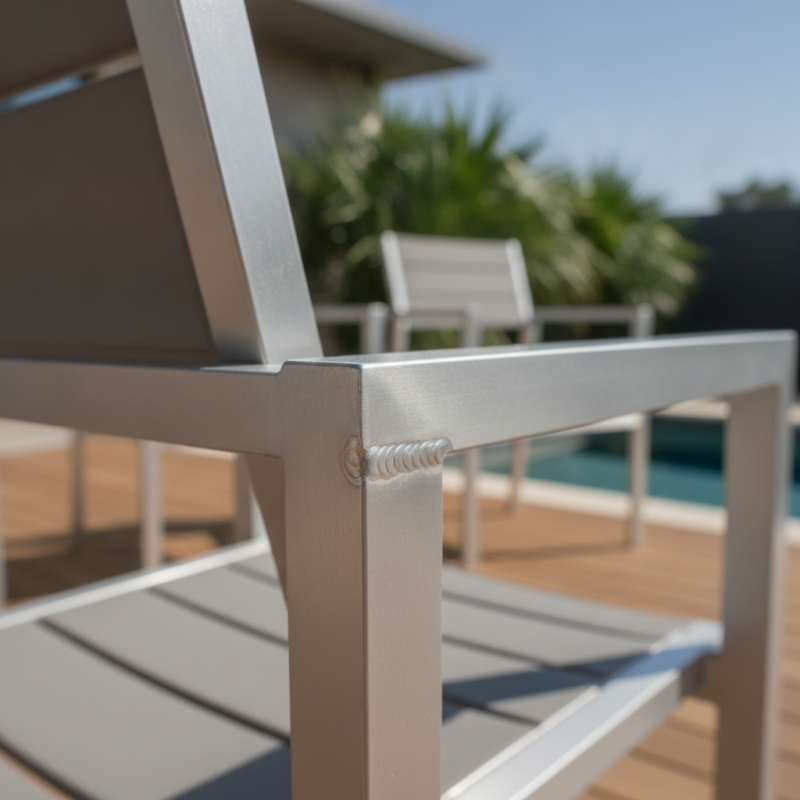
Quality aluminum welding should present a smooth, clean appearance. Look for welds that are uniform and free from cracks or gaps. A well-done weld will blend seamlessly with the surrounding material. Additionally, pay attention to the type of welding used. TIG welding is often preferred for its strength and precision, while MIG welding may be less reliable in certain applications.

Understanding these details can be challenging. Many people overlook the significance of proper welding. A lack of attention to this aspect can lead to poor performance over time. Thus, being informed and vigilant about how to identify high-quality aluminum welding in furniture is essential for making an investment that lasts.
How to Identify Quality Aluminum Welding in Furniture?

Understanding the Importance of Quality Aluminum Welding in Furniture Making

Understanding the quality of aluminum welding is crucial in furniture making. Quality welding ensures the durability and stability of aluminum structures. According to the American Welding Society, improper welding can lead to a 30% reduction in the strength of the material. This is alarming for furniture manufacturers who prioritize longevity.

Quality welding involves skill and precision. A skilled welder understands material properties and control techniques. Common mistakes include poor fusion and inadequate heat management. These can compromise the framework of furniture, leading to potential failures. In a recent industry analysis, nearly 20% of aluminum furniture failures were attributed to welding defects. This data reflects the importance of investing in quality craftsmanship.

Moreover, aesthetic appeal is also influenced by welding quality. Flaws in joints or uneven surfaces can detract from the design. Even small imperfections can be noticeable on sleek aluminum finishes. Recognizing these aspects can help both consumers and manufacturers appreciate the value of high-quality welding in aluminum furniture construction.

Key Characteristics of High-Quality Aluminum Welding in Furniture Design

When assessing aluminum welding in furniture, there are several key characteristics to consider. Quality welds should have a smooth finish, free of blemishes or cracks. The weld consistency is essential, as uneven welds can compromise the furniture’s structural integrity. An experienced welder will ensure that the weld penetrates the aluminum adequately, creating a robust connection.

Tips: Inspect the joints carefully. A good weld should not have gaps. Look for a uniform bead that reflects controlled heat and skill. Understand that even experienced welders can have off days. Therefore, evaluating multiple pieces from the same manufacturer can provide better insights into their welding quality.

Another important aspect is the material used during welding. High-quality aluminum welding often involves using proper filler materials that match the base metal. This compatibility enhances durability and resilience. There might be instances where a weld appears strong but may not reflect the true quality of the bond if improper filler materials are used.

Tips: Always inquire about the welding process and types of materials used. Asking questions will help you gauge the quality. Remember that aesthetic appeal at first glance may not indicate true strength. Always prioritize functionality over looks when examining aluminum furniture.

Common Defects in Aluminum Welding and How to Identify Them

When assessing the quality of aluminum welding in furniture, various defects can arise that compromise durability and aesthetics. Common issues include inadequate penetration, porosity, and distortion. According to a study by the American Welding Society, nearly 30% of welding failures stem from inadequate technique. Adequate penetration is crucial; it should reach the base metal to ensure strength. Shallow welds often signal poor execution.

Porosity appears as small holes within the weld, often caused by trapped gas during the process. This can weaken the joint significantly. Research shows that high humidity and contaminants can increase porosity incidents. Distortion occurs when heat changes the material shape. To identify such defects, inspect weld seams closely with visual or non-destructive testing methods. Small inconsistencies in the surface may warrant further investigation.

Remember, not all welds will be flawless. Observing imperfections can guide improvements in technique. Frequent training for welders is essential, as ongoing education leads to better quality. Reports indicate that companies investing in training see a 40% reduction in defects. Ensuring quality aluminum welding requires careful examination and a commitment to continuous learning.

How to Identify Quality Aluminum Welding in Furniture? - Common Defects in Aluminum Welding and How to Identify Them

Defect Type Description Identification Method Solution
Porosity Small holes or voids in the weld that compromise strength. Visual inspection and grinding technique. Re-weld with proper techniques; use a high-quality filler material.
Cracking Fractures that can occur in the weld or heat-affected zone. Visual inspection and dye penetration test. Remove the cracked weld and re-weld with adequate heat control.
Under-cutting Loss of base metal adjacent to a weld. Visual inspection and checking for reduced thickness. Re-weld with attention to heat management and technique.
Excessive Spatter Droplets of molten metal that are not part of the weld. Visual inspection and cleaning process evaluation. Adjust settings to minimize spatter and clean the area before inspection.

Essential Tools and Techniques for Assessing Aluminum Welding Quality

Assessing the quality of aluminum welding in furniture requires specialized tools and techniques. Visual inspections play a crucial role in identifying potential issues in welds. Look for consistent bead widths and smooth profiles. A well-executed weld should have a uniform appearance. Any discoloration or irregularities might point to thermal issues or improper technique. According to the American Welding Society, approximately 30% of all welding defects can be traced back to visual discrepancies.

Using a caliper can provide precise measurements of weld dimensions. Ensuring proper penetration is key. Studies indicate that inadequate penetration can lead to structural failures. Ultrasound testing can reveal internal flaws that are not visible to the naked eye. Research shows that nearly 25% of welded aluminum assemblies experience failures due to internal defects. A sound weld should transmit sound waves efficiently.

Welding gauges are handy for setting parameters. These tools help maintain the quality of the welding process. However, reliance solely on gauge readings without visual checks may overlook critical flaws. Remember, even highly skilled welders can produce imperfect results. Continuous monitoring and reassessment are essential for achieving high-quality welds.

Industry Standards and Certifications for Aluminum Welding in Furniture Production

When assessing aluminum welding quality in furniture, industry standards and certifications play a key role. The American Welding Society (AWS) offers guidelines that help evaluate welding practices. These standards ensure welders possess the necessary skills and training. Certified welders typically demonstrate their expertise through ongoing education and hands-on experience.

Moreover, adherence to ISO standards can further enhance quality assurance in aluminum welding. These international guidelines focus on structural integrity and safety. Manufacturers often seek certifications like ISO 9001 to exhibit compliance. While these certifications do not guarantee perfection, they reflect a commitment to quality.

It is crucial to understand that the presence of certifications alone does not ensure high-quality results. Regular inspections and audits are vital to maintaining standards. Some welders may rush through projects, leading to defects. When evaluating furniture, it's important to be aware of this potential issue.

FAQS

: Why is the quality of aluminum welding important in furniture making?

: Quality welding ensures longevity and stability of aluminum structures. Poor welding can reduce strength significantly.

What are common mistakes in aluminum welding?

Common mistakes include inadequate heat management and poor fusion. These errors can lead to furniture failures.

How prevalent are welding defects in aluminum furniture?

Nearly 20% of aluminum furniture failures are due to welding defects. This highlights the need for quality craftsmanship.

How can you identify defects in aluminum welding?

Look for signs like inadequate penetration, porosity, and distortion. Visual inspections and testing methods are essential.

What does porosity in a weld signify?

Porosity appears as small holes caused by trapped gas. It can significantly weaken the joint and affect durability.

What tools are essential for assessing welding quality?

Tools include calipers for measurements, ultrasound testing for internal flaws, and visual inspection for overall quality checks.

How important is continuous training for welders?

Continuous training is crucial. Companies investing in it report a 40% reduction in defects, improving overall welding quality.

What is the effect of humidity on aluminum welding?

High humidity can increase porosity incidents. It’s essential to control conditions during the welding process.

What is an indicator of adequate penetration in welding?

Adequate penetration means the weld reaches the base metal. Shallow welds may indicate poor execution and risk structural failure.

Can welds ever be flawless?

No, not all welds are perfect. Recognizing and reflecting on imperfections can guide improvements in welding techniques.

Conclusion

In furniture making, understanding how to identify high-quality aluminum welding is crucial for ensuring durability and aesthetic appeal. Key characteristics of quality aluminum welding include uniformity, proper penetration, and a smooth finish that minimizes imperfections. It is essential to be aware of common defects such as porosity, cracks, and inconsistent weld beads, as they can compromise the structural integrity of the furniture.

To effectively assess aluminum welding quality, certain tools and techniques can be employed, including visual inspections and the use of ultrasonic testing equipment. Additionally, adhering to industry standards and certifications can guide manufacturers in achieving high-quality results. By being informed about these aspects, consumers and makers alike can confidently evaluate and select furniture with superior aluminum welding.

Charlotte

Charlotte

Charlotte is a seasoned marketing professional with a deep understanding of the company's portfolio and a passion for elevating its presence in the market. With a keen eye for detail and a commitment to excellence, she ensures that our professional blog is regularly updated with insightful articles......