Choosing the right furniture can greatly impact your living space. Many people wonder, "What are the pros and cons of metal vs. wood furniture?" According to a report by the American Home Furnishings Alliance, 55% of consumers prefer wood furniture for its warmth and aesthetic appeal. However, metal furniture is gaining popularity, favored for its durability and modern design.
Wood offers a classic look that complements various styles. It can last for decades with proper care. Yet, it may be prone to scratches and water damage. On the other hand, metal is resistant to wear and tear. It can withstand heavy use, making it suitable for busy households. However, metal furniture can feel cold and industrial, potentially clashing with home aesthetics.
Understanding these factors is crucial. A survey by Statista highlights that 70% of consumers prioritize style over material. This statistic suggests that while functionality is important, the visual appeal of furniture shouldn't be overlooked. In choosing between metal and wood, consider your lifestyle, budget, and personal taste. It may not be a simple decision.
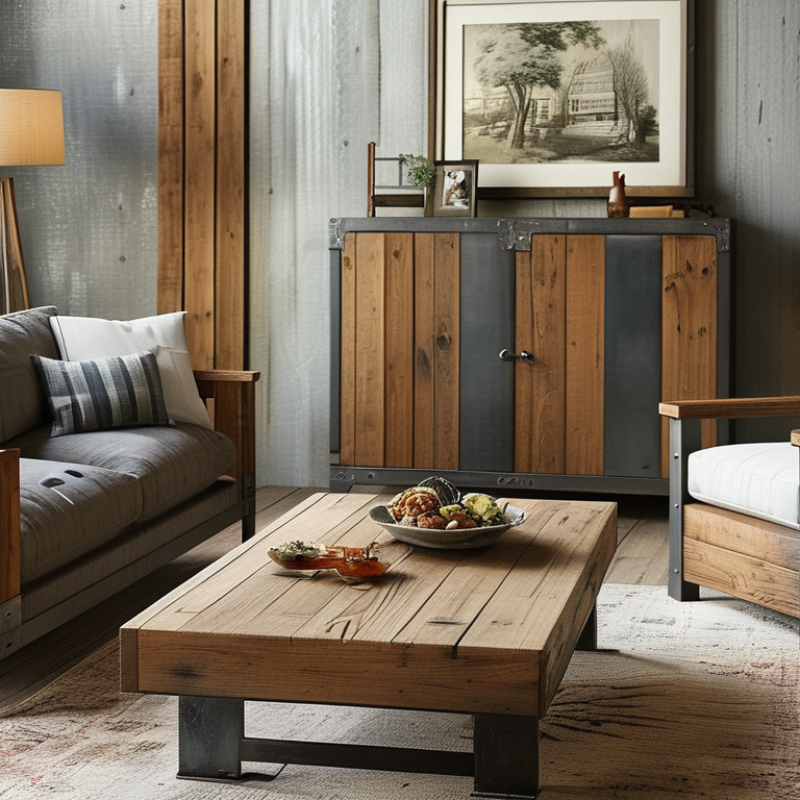
Pros of Metal Furniture: Durability and Strength Explained
When considering metal furniture,
durability and strength are often cited as key advantages. Metal furniture can resist
wear and tear much better than wood. According to a study by the
American Furniture Manufacturers Association,
metal pieces can last up to three times longer than their wooden counterparts.
This longevity is due to their inherent resistance to moisture, pests, and extreme temperatures.
Moreover, metal furniture maintains its structural integrity over time.
For example, steel furniture
can hold heavy weights without bending or breaking. This attribute makes it an
excellent choice for both residential and commercial settings. The maintenance for
metal pieces is also lower, often requiring just a simple wipe-down to remove dust
and grime. However, one must consider scratches,
as they can be more visible on metal surfaces.
There are some downsides to metal furniture, though. It can feel
cold and uninviting compared to wood. This
perception might deter some consumers. Additionally, metal furniture pieces can
sometimes be heavier and less easy to move around. Overall, while the benefits
are clear, it's essential to reflect on how the aesthetics and weight fit into
your living space or business environment.
Cons of Metal Furniture: Potential Discomfort and Heat Conductivity
Metal furniture offers a modern aesthetic, but it comes with drawbacks. One significant con is discomfort. Metal surfaces can feel cold and uninviting, particularly in cooler climates. Sitting or lying on metal can create an unwelcoming experience, especially during winter months. Additionally, metal lacks the warmth that wood inherently provides, which might deter some people from choosing it for their living spaces.
Another critical concern is heat conductivity. Metal can become extremely hot under direct sunlight. If your furniture is placed near windows, it may heat up quickly. This raises the risk of burns or discomfort for anyone making contact with the surface. Unlike wood, metal absorbs and retains heat, which can be a significant drawback during hot summer days. Potentially, this could lead to unexpected discomfort in your daily life.
Lastly, maintenance can be tricky. Metal may scratch or dent easily, requiring careful handling. Even small scratches can compromise its sleek appearance. Although metal can be durable, you must be cautious to avoid wear and tear. Reflecting on these factors is essential when choosing between metal and wood furniture.
Advantages of Wood Furniture: Aesthetic Appeal and Warmth
Wood furniture is often praised for its aesthetic appeal. Its natural grains and textures bring warmth to any space. According to a recent report from the American Home Furnishings Alliance, 80% of consumers prefer wooden furniture for its comforting aesthetic. This preference influences purchasing decisions and reflects a desire for a welcoming atmosphere at home.
Moreover, wood furniture exudes an organic beauty that metal often lacks. The unique patterns in each piece tell a story. A solid oak table, for instance, ages beautifully, developing a rich patina over time. Yet, while wood furniture offers undeniable charm, it requires maintenance. Neglected pieces can suffer from scratches or water damage, calling for regular care.
Environmental considerations also play a role. A study indicates that sustainably sourced wood comes with a lower carbon footprint than metal furniture. However, not all wood products are created equal. Buyers need to ensure they select high-quality, sustainably harvested options. This attention to detail can be crucial in balancing aesthetics with responsible consumption.
Metal vs Wood Furniture Pros and Cons
| Furniture Type |
Advantages |
Disadvantages |
| Wood Furniture |
Aesthetic Appeal, Warmth, Variety of Designs, Eco-Friendly Options |
Susceptible to Scratches, Requires Maintenance, Can Be Expensive |
| Metal Furniture |
Durability, Low Maintenance, Modern Look, Fire Resistance |
Cold Aesthetic, Can Be Heavy, Prone to Rusting if Not Treated |
Disadvantages of Wood Furniture: Susceptibility to Damage and Maintenance
When choosing furniture, wood options often appeal to many. However, it’s crucial to consider their drawbacks. A significant concern is their susceptibility to damage. Wood can easily dent or scratch, especially in high-traffic areas. This can impact the overall appearance of the piece over time.
Maintenance is another challenge. Wood furniture requires regular care to look its best. Polishing and dusting are essential to prevent tarnishing and to keep the wood vibrant. Without proper maintenance, wood can warp or crack due to temperature changes. These issues may not be immediately noticeable but can lead to costly repairs or replacements later.
Water damage is also a risk. Spills can leave stains or cause the wood to swell. Even simple condensation from cups can be harmful. Homeowners often overlook these factors but should be mindful. Choosing wood furniture means committing to ongoing care and awareness of the environment.
Factors to Consider When Choosing Between Metal and Wood Furniture
When choosing between metal and wood furniture, several factors should be considered. Both materials have unique aesthetics and practical implications. According to a report by IBISWorld, the furniture manufacturing industry has seen a shift in consumer preferences, with metal furniture gaining at least 25% market share in recent years. This trend reflects a growing appreciation for the sleek, modern look of metal. However, wood remains favored for its warmth and classic appeal.
Durability is another critical aspect. Metal furniture tends to withstand wear and tear better than wood, particularly in high-traffic areas. Studies indicate that metal furniture has a lifespan that can exceed 15 years with proper care, while wooden pieces may fall short at around 10 years. However, wood can be more easily restored, allowing for character and longevity through refinishing. Still, a keen eye is needed for signs of damage or pests that can drastically shorten wood's lifespan.
Aesthetic preferences play a significant role in the decision-making process. Metal offers an industrial vibe, suitable for modern interiors. In contrast, wood provides a rustic charm that many consumers cherish. Trends show that combining both materials can create a unique style. Each material also has environmental implications. While metal is recyclable, the deforestation associated with wood sourcing raises concerns. Balancing these factors can lead to a well-informed decision.
Conclusion
When deciding between metal and wood furniture, it's essential to understand the advantages and disadvantages of each material. What are the pros and cons of metal vs. wood furniture? Metal furniture is known for its durability and strength, making it an excellent choice for longevity. However, it may pose potential discomfort due to its heat conductivity. On the other hand, wood furniture offers aesthetic appeal and warmth, contributing to a cozy atmosphere, but it can be susceptible to damage and often requires regular maintenance.
When choosing between the two, consider factors such as style, intended use, and personal preference. Metal furniture often suits modern and industrial designs, while wood furniture tends to complement traditional and rustic aesthetics. Ultimately, understanding these factors can help you make an informed decision that aligns with your needs and lifestyle.

 Ramsey Furniture