Top 10 Reasons to Choose Eco Friendly Bedroom Furniture?

Time:2026-11-24 Author:Aria
0%

Why choose eco-friendly materials for bedroom furniture? The reasons reach beyond appearance. A bed frame made with responsibly sourced wood, a dresser finished with lower-emission coatings, or a headboard upholstered in recycled fabric can affect what enters your bedroom and how long the furniture remains useful. Sustainability-focused architect William McDonough has said, “Design is the first signal of human intention.” His observation fits furniture choices: materials and construction reveal what a product is designed to value. Durability matters. So does repairability.

This introduction explores ten practical reasons to consider eco-friendly bedroom furniture, from reducing demand for newly harvested resources to supporting careful manufacturing. Look for details, not just green labels. Check whether wood sourcing is independently certified, ask about finishes and adhesives, and confirm what a recycled-content claim actually covers. A smooth oak drawer, a sturdy joint, and a clear care guide can tell you more than vague packaging promises. Small details count.

There are trade-offs. Sustainable options may cost more, have limited finishes, or require extra research. And “natural” does not automatically mean responsibly sourced or low-emission. Buyers should compare product specifications and credible certifications, then choose what fits their needs and budget. No material is perfect. The following reasons offer a grounded starting point for making a more informed choice—one that considers comfort, indoor use, product lifespan, and the resources behind each piece.
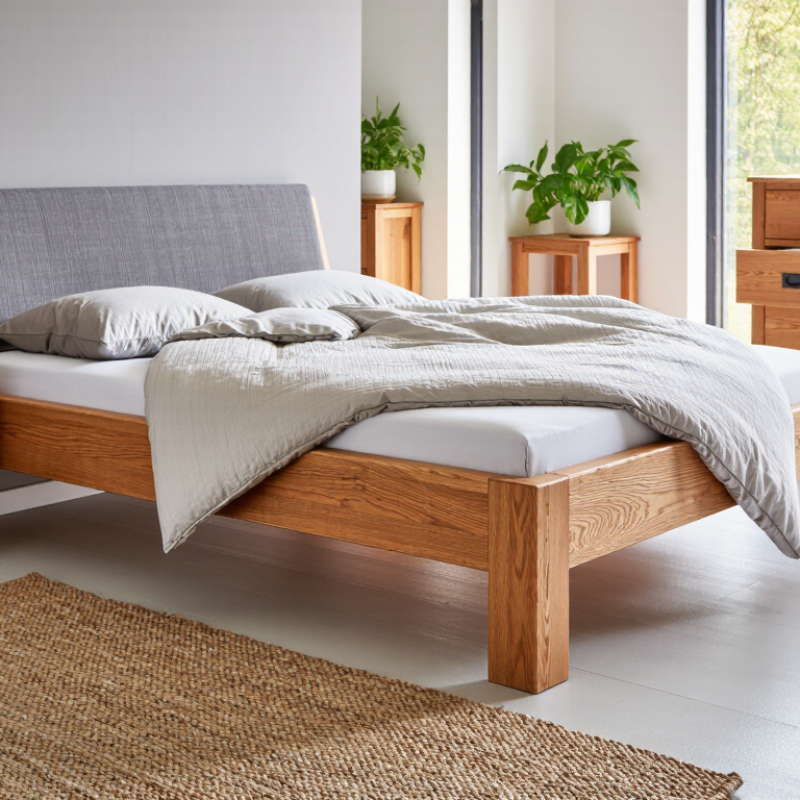
Top 10 Reasons to Choose Eco Friendly Bedroom Furniture?

Defining Eco-Friendly Bedroom Furniture Through Certified Materials and Lower Impacts

Eco-friendly bedroom furniture is defined by verifiable materials and reduced impacts, not by a natural-looking finish. Look for wood certified as coming from responsibly managed forests, recycled content supported by documentation, and low-emission materials. GREENGUARD Gold certification, for example, evaluates chemical emissions into indoor air; it does not certify every part of a bed or dresser. That distinction matters. Ask whether the certificate applies to the whole piece, or only one component, such as its finish or panel.

The U.S. Environmental Protection Agency reported that Americans generated 12.1 million tons of furniture and furnishings waste in 2018, with about 9.7 million tons sent to landfills. Those figures make durability and repairability part of the environmental case: sturdy joints, replaceable hardware, and a finish that can be renewed may keep a bed in use longer. Still, a certified material does not erase transport, manufacturing, or eventual disposal impacts. I would compare specific claims rather than trust a broad “green” label. The paperwork can be tedious. But it helps separate measurable sourcing and emissions claims from attractive language.

Responsible Timber Sourcing: FSC-Certified Forests Cover 160M+ Hectares Worldwide

Top 10 Reasons to Choose Eco Friendly Bedroom Furniture?

FSC-certified forests cover more than 160 million hectares worldwide, giving shoppers a useful signal when comparing bedroom furniture. Responsible timber sourcing supports forest management, wildlife habitats, and communities that depend on forests. In a bedroom, that choice may be part of a bed frame, drawer front, or timber core beneath a finish. Small details matter. Check that a certification claim applies to the specific product or material, not just an image of trees on a label.

Certification can support responsible forest management and traceability, but it does not make every furniture choice impact-free. Finishes, adhesives, transport, and product lifespan also count. A sturdy frame used for years may be preferable to a fashionable piece replaced quickly. That can be hard to judge in a showroom. A certificate is helpful, not magic; ask which parts of the item it covers.

Tips: Check the product documents for certification details, and ask whether the timber is certified throughout. Look closely at joints and finishes, too. Good sourcing matters, but durability deserves attention as well.

Indoor Air Quality: EPA Reports VOC Levels Can Be 2–5× Higher Indoors

Indoor air can hold more chemical pollutants than many people expect. The EPA reports that concentrations of some volatile organic compounds, or VOCs, can be two to five times higher indoors than outdoors. The difference varies by home, pollutant, and ventilation. New bedroom furniture may add to indoor emissions, especially when it contains pressed wood, adhesives, or freshly applied finishes. A sharp smell from a new dresser is not a reliable measure of its safety, but it can be a reason to ventilate the room.

Choosing lower-emitting furniture can reduce one potential source. Look for clear emissions testing or certification, and ask what materials and finishes were used. Solid wood with a simple finish may be a practical option, though “natural” does not guarantee zero emissions. Keep new pieces in a well-ventilated space before placing them beside a bed, and follow the maker’s care instructions. Open a window when outdoor conditions allow. Small choices matter. I once assumed that a piece with little odor needed no airing; that was too confident. Odor is only one clue, and indoor air quality depends on several sources, including cleaners and paint.

Durability and Waste: EPA Recorded 12.1M Tons of U.S. Furniture in 2018

Top 10 Reasons to Choose Eco-Friendly Bedroom Furniture?

The EPA estimated that 12.1 million tons of furniture entered the U.S. municipal solid waste stream in 2018. That figure includes more than bedroom furniture, and it does not explain why each item was discarded. Still, it raises a practical question: how long will a bed frame, dresser, or nightstand stay useful?

Furniture with sturdy joints, repairable parts, and replaceable hardware can remain in service through moves and changing needs. A loose drawer handle may signal a repairable problem, not a reason to replace the whole dresser. Materials matter too. Reclaimed wood or responsibly sourced timber may reduce demand for new resources, but shoppers should check what those claims mean. “Eco-friendly” is not a guarantee.

In a bedroom, inspect the joints, drawer tracks, and finish before buying. Ask whether damaged parts can be repaired and whether material information is clear. A slightly imperfect surface may be easier to live with than a fragile, flawless finish. Price matters, too: the most sustainable choice is not always the most expensive one. Choose furniture that fits the room, can be maintained, and is likely to serve for years. It is a modest step, not a complete solution to furniture waste.

Top 10 Reasons to Choose Eco-Friendly Bedroom Furniture

Durability and waste: U.S. furniture and furnishings generated 12.1 million tons of municipal solid waste in 2018.

Choosing durable furniture can help reduce the need for frequent replacement. The figure shows waste generated, not the amount sent to landfill. Source: U.S. Environmental Protection Agency, Advancing Sustainable Materials Management: 2018 Fact Sheet.

Lifecycle Value: Compare Repairability, Product Lifespan, and Replacement Costs

Lifecycle value starts with what can be repaired. Check whether the bed frame uses standard screws, replaceable slats, and accessible joints. For a dresser, look for drawer runners that can be swapped without dismantling the whole unit. Ask whether replacement parts and care instructions are available. Small details matter. A sturdy finish can still be difficult to fix if the maker cannot identify its materials.

Estimate cost over the years you expect to use the furniture, not just at checkout. For example, a $900 bed used for fifteen years costs about $60 per year before repairs. A $500 bed replaced every five years costs about $100 per year, even before disposal or delivery. These figures are illustrative, not guarantees; moving, moisture, and everyday wear change the math. Compare warranties carefully, since coverage may exclude common damage.

A longer lifespan can reduce replacement demand, but only if the furniture suits your home and can be maintained. Measure doorways and room space before buying; an awkward piece may be abandoned during a move. I have found that a loose joint caught early is often easier to address than a cracked panel. Still, repairability is not magic. A low-impact material claim means little if the item cannot be repaired or comfortably used for years.

FAQS

What makes bedroom furniture eco-friendly?

Look for documented responsible wood sourcing, verified recycled content, and tested low-emission materials. A natural-looking finish proves little.

Does an emissions certificate cover an entire bed?

Not always. Check whether testing applies to the whole piece or only a panel or finish.

Why does durability matter?

Strong joints, replaceable hardware, and renewable finishes can keep a bed in use longer. Repairs still take effort.

How much furniture waste goes to landfills?

In 2018, the United States generated 12.1 million tons of furniture and furnishings waste. About 9.7 million tons went to landfills.

Can new bedroom furniture affect indoor air?

Yes. Pressed wood, adhesives, and fresh finishes can release VOCs indoors. Some indoor VOC levels are two to five times outdoor levels, depending on conditions.

Does a strong smell mean furniture is unsafe?

Not by itself. Odor is an imperfect clue, not a safety test. I would not judge by smell alone.

Is solid wood automatically low-emission?

No. Natural materials can still have finishes that release emissions. Ask what finish was used.

How should I air out a new dresser?

Keep it in a ventilated room before placing it beside your bed. Open a window when outdoor conditions allow. Air it out.

Conclusion

Eco-friendly bedroom furniture is made with certified materials and designed to reduce environmental impacts throughout its life. Why choose eco-friendly materials for bedroom furniture? Responsibly sourced timber can help support forest stewardship; FSC-certified forests cover more than 160 million hectares worldwide. Choosing lower-emission materials and finishes may also help improve indoor air quality, especially since EPA reports that indoor VOC levels can be two to five times higher than outdoor levels.

Durability matters, too. With 12.1 million tons of furniture recorded in the United States in 2018, choosing pieces that last can help reduce waste. Consider whether furniture can be repaired, how long it is likely to serve your needs, and the cost of replacing it over time. Looking at material certifications, emissions, repairability, and lifespan together makes it easier to choose bedroom furniture with lasting value and a lighter footprint.

Aria

Aria

Aria is a dedicated marketing professional with a deep passion for innovative strategies and a keen understanding of our company's product offerings. With a wealth of experience in the industry, Aria excels at crafting engaging content that highlights the unique features and benefits of our......