Renovating a kitchen can be a daunting task. Homeowners often seek solutions that combine functionality and aesthetics. Modular kitchen furniture has emerged as a favored option. It offers flexibility and a custom fit for various spaces. According to a 2022 report by the National Kitchen and Bath Association, 75% of homeowners preferred modular solutions for their renovations. This trend raises the question: why is modular kitchen furniture better for renovation?
One primary reason is its adaptability. Modular units can be rearranged or expanded as needs change. This allows homeowners to personalize their kitchens without major overhauls. Additionally, many modular designs utilize space efficiently, addressing common challenges in small kitchens. A research study from the American Institute of Architects highlights that over 60% of small-space owners reported increased satisfaction with modular setups. Nevertheless, not all modular options guarantee quality or durability, which can lead to buyer regret.
The sustainability aspect also cannot be ignored. Many manufacturers now focus on eco-friendly materials. This aligns with the growing consumer trend prioritizing environmentally conscious choices. However, navigating the vast market for modular kitchen furniture requires careful consideration. It’s essential to weigh design against quality to avoid potential pitfalls. In essence, the rise of modular kitchens reflects a significant shift in renovation preferences, but it requires thorough evaluation.
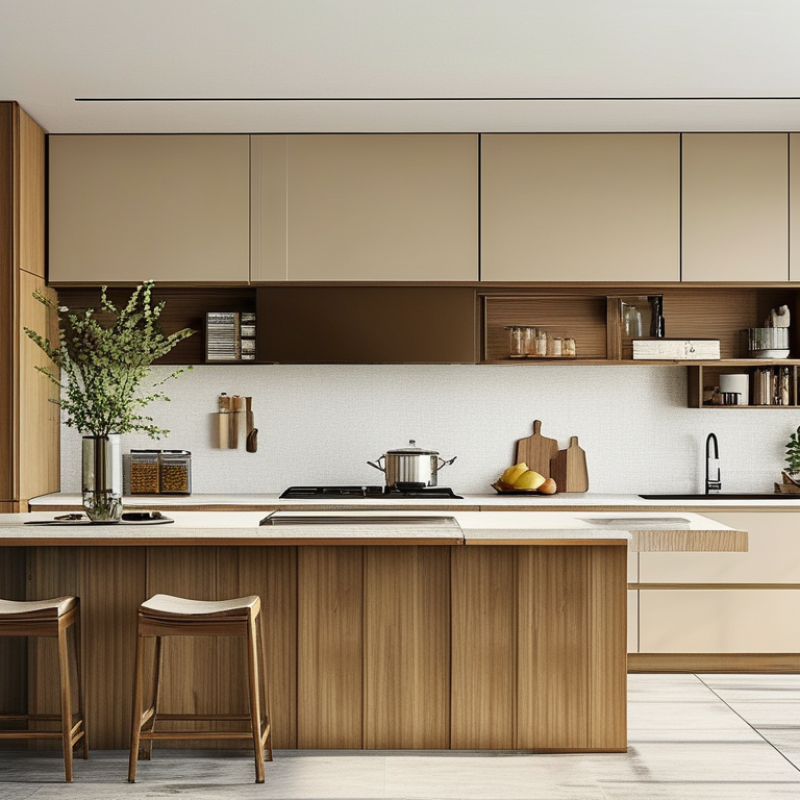
Benefits of Modular Kitchen Furniture for Home Renovation
Modular kitchen furniture is becoming a popular choice for home renovations. Many homeowners seek optimized space and efficiency. According to a 2022 report from the National Kitchen and Bath Association, about 70% of homeowners are leaning towards modular designs for their kitchens. This trend highlights the benefits of customization and versatility.
One significant advantage is that modular kitchens adapt to different spaces and styles. For instance, homeowners can select specific modules that fit their existing layout. This flexibility allows for better organization and functionality. Storage options expand dramatically with solutions like pull-out shelves and corner units. Moreover, research shows that a well-organized kitchen can enhance cooking experiences, reducing prep time by up to 30%.
Tip: When planning your modular kitchen, consider the workflow triangle: the sink, stove, and refrigerator should be in close proximity. This can improve efficiency immensely. Another point to ponder is whether to choose easily replaceable parts. This can lead to better sustainability and cost-effectiveness in the long run.
Emphasizing function while maintaining aesthetic appeal is essential, yet be cautious about trends that may fade quickly. Stay true to your unique style.
Customization Options in Modular Kitchen Design for Unique Needs
Modular kitchen designs are gaining popularity due to their customization options. Homeowners appreciate the ability to tailor their kitchens to meet unique needs. According to a recent report by the National Kitchen and Bath Association (NKBA), about 75% of homeowners seek personalized elements when renovating their kitchens. This trend showcases the importance of individuality in such vital spaces.
Customization in modular kitchens allows for various layout designs, materials, and finishes. For instance, homeowners can choose cabinetry heights or specific counter materials that fit their cooking style. A survey by Houzz showed that 65% of renovators prioritize layout customization, emphasizing a push towards functional yet stylish spaces. However, relying heavily on modular designs can lead to a lack of cohesive aesthetics if not managed properly.
Moreover, modular kitchens often come with flexible storage solutions. Adjustable shelving or pull-out drawers can maximize space, addressing specific user needs. According to industry experts, poorly designed storage solutions can lead to clutter and inefficiency. Thus, while providing adaptability, homeowners must reflect on how these choices align with their lifestyle and overall design goals.
Space Optimization: How Modular Furniture Maximizes Kitchen Utility
Modular kitchen furniture revolutionizes space optimization. In modern homes, kitchens often become the heart of daily activities. According to recent surveys, about 70% of homeowners in urban areas struggle with limited kitchen space. Modular solutions address this by offering adaptable designs that fit various kitchen layouts. These pieces can be rearranged or expanded, catering to the specific needs of users.
A study from the National Kitchen and Bath Association highlights that 60% of homeowners prioritize storage efficiency in their kitchen renovations. Modular furniture provides clever storage options like pull-out drawers and vertical shelving. These features maximize vertical space, which is often underutilized. This type of furniture can transform cramped areas into functional work zones, boosting overall utility.
However, not every modular design works for everyone. Homeowners must consider their unique cooking and storage habits. Implementing a modular system requires thoughtful planning to ensure it meets daily needs effectively. Additionally, some designs may not adapt well to every kitchen's aesthetics. It’s crucial to balance functionality with style for a truly seamless space.
Cost-Effectiveness: Budget Benefits of Choosing Modular Solutions
Renovating your kitchen can be an expensive project. However, opting for modular kitchen furniture can significantly reduce costs. Modular solutions come with pre-fabricated units that save on materials and labor. This approach helps homeowners stick to their budgets while still achieving a stylish and functional space.
Modular kitchens offer flexibility in design and functionality. You can easily customize the layout to fit your needs. This adaptability often leads to less wastage of materials. Furthermore, major renovations can trigger hidden costs, but modular systems usually come with transparent pricing. It's essential to plan carefully and choose components that fit well within your design vision.
Despite these advantages, there can be challenges. The installation process may require precise measurements. Ensure you measure your space correctly to avoid unexpected adjustments. Also, modular units may vary in quality. Some options may look appealing but lack durability. Researching thoroughly can help you avoid these pitfalls. It's crucial to focus on balance between aesthetic and practicality. Making informed choices will ultimately provide the best value for your investment.
10 Reasons Why Modular Kitchen Furniture is Ideal for Renovation
This chart illustrates the key benefits of modular kitchen furniture for renovation, emphasizing cost-effectiveness, space optimization, and customization among other advantages.
Sustainability in Modular Kitchens: Eco-Friendly Materials and Practices
When it comes to modular kitchens, sustainability is paramount.
Eco-friendly materials play a crucial role in renovation. For instance, bamboo is growing in popularity due to its rapid renewability and durability. According to the American Forest & Paper Association, bamboo can grow up to three feet per day. This makes it a sustainable choice for kitchen cabinets and countertops.
Recycled materials also play a significant role. Using reclaimed wood reduces waste and promotes responsible consumption. A study by the National Recycling Coalition shows that recycling one ton of paper saves 17 trees. This impact is substantial in reducing the carbon footprint of home renovations. Additionally, low-VOC finishes contribute to healthier indoor air quality. These finishes help in reducing harmful emissions that can affect a family's health.
Despite the benefits, challenges exist. Not all consumers are aware of sustainable options. Some may prioritize aesthetics over eco-friendliness. Educating homeowners about the environmental impact of their choices is essential. The potential hidden costs of eco-friendly materials can also deter buyers. It often requires more upfront investment, despite long-term savings. The shift towards greener kitchen solutions is a journey, not a destination.
Conclusion
Modular kitchen furniture presents numerous advantages for home renovation projects, making it a popular choice among homeowners. One of the key reasons why is modular kitchen furniture better for renovation? It offers exceptional customization options, allowing homeowners to tailor their kitchen layouts to meet unique needs and preferences. This flexibility ensures that every inch of space is utilized effectively, enhancing overall functionality.
Moreover, modular designs promote space optimization and maximize utility, making them ideal for both small and large kitchens. These solutions are also cost-effective, providing budget-friendly options without compromising quality. Lastly, modular kitchens typically utilize eco-friendly materials and practices, aligning with sustainable living trends. Overall, the combination of customization, efficient space use, affordability, and sustainability makes modular kitchen furniture an ideal renovation choice.

 Ramsey Furniture