Maintaining cleanliness in healthcare settings is crucial. Hospital-grade furniture surfaces can harbor harmful pathogens. Knowing how to disinfect hospital-grade furniture surfaces safely is essential.
Proper disinfection protects both patients and staff. It reduces the risk of healthcare-associated infections. However, choosing the right disinfectant is vital. Not all products are suitable for every surface. Some may damage finishes or compromise safety.
Recognizing the challenges in selecting effective methods cannot be overlooked. Staff training and protocol adherence are key. Regular reviews of disinfection practices can lead to improvements. Clear guidelines help ensure effectiveness and safety. The commitment to cleanliness is ongoing and complex.
Understanding Hospital Grade Furniture and Its Importance in Healthcare
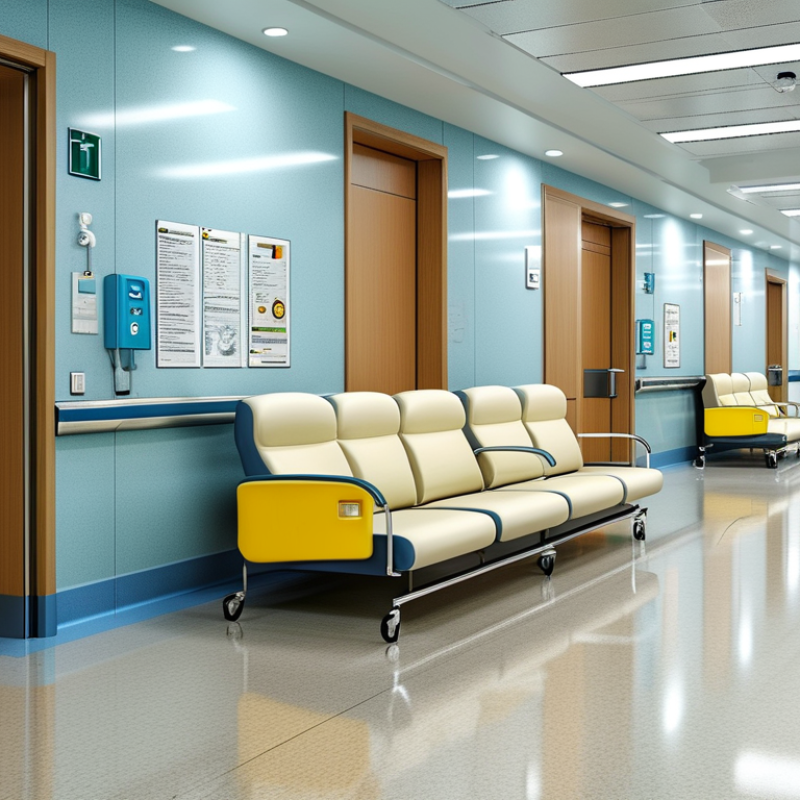
Hospital grade furniture plays a critical role in healthcare settings. These pieces are specifically designed to withstand rigorous cleaning and disinfection processes. According to the Centers for Disease Control and Prevention (CDC), proper sanitization can significantly reduce the risk of healthcare-associated infections (HAIs). Furniture made of non-porous materials is essential for preventing bacteria and viruses from lingering.
In clinical environments, functionality and hygiene are paramount. Hospital grade furniture often includes features like seamless surfaces, rounded edges, and antimicrobial finishes. Research shows that using such furniture can decrease contamination rates by as much as 30%. This is crucial, especially in areas like operating rooms and patient rooms where the risk of infection is high.
Cleaning properly is just as crucial as the furniture itself. Select disinfectants that meet EPA standards for healthcare use. Maintain a cleaning schedule to ensure surfaces remain sterile. Regular monitoring and training staff on proper cleaning techniques are essential. Ensure that cleaning agents are compatible with the materials used in the furniture. This can prevent damage while ensuring safety.
When choosing hospital grade furniture, look for pieces that facilitate thorough cleaning. Evaluate the design and material carefully to ensure that they meet infection control requirements. Investing in quality furniture not only enhances patient care but also protects healthcare workers.
Common Disinfectants Used for Hospital Grade Surfaces and Their Efficacy
Disinfecting hospital-grade furniture surfaces is essential for maintaining a clean healthcare environment. Common disinfectants include quaternary ammonium compounds, hydrogen peroxide, and sodium hypochlorite. Each has its strengths and weaknesses. For example, quats are effective against bacteria, but not all forms of viruses. Hydrogen peroxide offers a broad spectrum of efficacy but can sometimes damage surfaces.
Proper application is crucial. Using disinfectants the right way maximizes their effectiveness.
Always follow the instructions on the product label. Allow enough contact time for the disinfectant to work.
This means leaving the surface wet for the recommended duration. Not doing this can lead to inadequate disinfection.
One important aspect often overlooked is surface compatibility. Some disinfectants can corrode or discolor certain materials.
Test on a small area first to prevent damage. It can save you from the hassle of replacing furniture later.
Regularly assess your disinfecting practices. Reflect on their effectiveness and make adjustments as needed.
Disinfection is not a “one-size-fits-all” task, so reassessing strategies can lead to better outcomes.
Step-by-Step Guide to Properly Disinfect Furniture without Damage
Disinfecting hospital-grade furniture surfaces requires a careful approach. Start by gathering your cleaning supplies. You will need appropriate disinfectants that are safe for the specific materials. It is essential to read the labels. Choose products that meet hospital standards and ensure they won't harm the surfaces.
Begin the disinfection process by removing any visible debris. Use a microfiber cloth or a soft bristle brush for this task. Gently wipe the surface, ensuring you reach all corners. After this, apply the disinfectant according to the manufacturer’s instructions. Pay attention to the contact time needed for effective sanitation. Using too little can create a false sense of security.
While disinfecting, be mindful of the surfaces and their materials. Some furniture may discolor with harsh chemicals. Conduct a spot test in an inconspicuous area first. This process may not always prevent spots or wear over time. Understand that disinfection may not be perfect, and adjusting techniques may be necessary whenever issues arise. Frequent evaluations of cleaning methods can lead to better results.
Disinfection Effectiveness of Different Hospital Grade Surfaces
Best Practices for Preventing Cross-Contamination During Cleaning
Preventing cross-contamination during the cleaning process of hospital-grade furniture is crucial. Start by ensuring that cleaning tools are free of contaminants. Use dedicated cloths and mops for different areas. Color-coding these tools can help avoid mix-ups. This method helps maintain a higher level of cleanliness. However, it's easy to overlook which cloth or mop goes where. Regularly inspect your supplies.
Proper hand hygiene is another key factor. Wash hands thoroughly before starting and after cleaning each area. It may seem routine, but many overlook this step. Consider using hand sanitizers as an additional precaution. While it’s effective, it shouldn’t replace washing. The right approach can reduce the risk of spreading pathogens significantly.
Always follow manufacturer instructions for disinfectants. Inconsistent use can lead to ineffective cleaning. Pay attention to contact times needed for disinfection. Failure to do so can create a false sense of security. Even with the best intentions, errors in application can occur. Keep a written log of cleaning schedules and observations. Reflecting on these practices helps improve the cleaning process over time.
Regulatory Standards for Disinfection in Healthcare Settings: An Overview
In healthcare settings, adhering to regulatory standards for disinfection is essential. The US Centers for Disease Control and Prevention (CDC) emphasizes the need for thorough disinfection of surfaces, especially furniture. According to a recent study, about 20% of healthcare-associated infections are linked to contaminated surfaces. This statistic highlights the importance of effective cleaning protocols.
Disinfection guidelines often specify that high-touch surfaces must be cleaned and disinfected regularly. The Environmental Protection Agency (EPA) maintains a list of approved disinfectants effective against specific pathogens. It's crucial to understand that different surfaces may require distinct protocols. For instance, non-porous surfaces may withstand stronger chemicals, while upholstery might necessitate gentler cleaning agents.
Despite established standards, challenges persist. Many facilities struggle with maintaining compliance due to staff training deficits or resource limitations. A survey revealed that over 50% of healthcare workers reported inadequate training in proper disinfection procedures. This gap underscores the need for constant education and review of disinfection practices. Regular audits can also identify areas needing improvement, ensuring a safer environment for both patients and healthcare workers.
FAQS
: Common disinfectants include quaternary ammonium compounds, hydrogen peroxide, and sodium hypochlorite. Each has its pros and cons.
Always follow the instructions on the label. Ensure surfaces remain wet for the recommended contact time.
Some disinfectants may corrode or discolor surfaces. It's wise to test on a small area first to avoid damage.
Remove debris using a microfiber cloth or soft bristle brush before applying disinfectant for optimal results.
Use dedicated cloths and mops for different areas. Color-coding can help, but it's important to label them clearly.
Washing hands before and after cleaning each area is essential to reduce the risk of spreading pathogens, though often overlooked.
Pay close attention to the specific contact times required. Inconsistent use can lead to ineffective cleaning.
Yes, regular evaluations can highlight areas for improvement and lead to better cleaning outcomes over time.
Not always. Some products may cause discoloration or damage, requiring a careful evaluation before use.
Adjust your techniques and reassess strategies. Disinfection is complex, and finding what works best can take time.
Conclusion
In the healthcare industry, the cleanliness of hospital-grade furniture surfaces is paramount for maintaining patient safety and preventing the spread of infections. Understanding hospital-grade furniture and the role it plays in healthcare is essential. This article addresses how to disinfect hospital-grade furniture surfaces safely by highlighting common disinfectants and their effectiveness, alongside a detailed step-by-step guide to avoid damage during the cleaning process.
Moreover, it outlines best practices for preventing cross-contamination during cleaning, ensuring a thorough and safe disinfection process. Finally, an overview of regulatory standards governing disinfection in healthcare settings underscores the importance of compliance in maintaining hygienic environments. This comprehensive approach ensures that healthcare facilities can effectively manage sanitation without compromising the integrity of their furniture.

 Ramsey Furniture