China Top Kitchen Storage Solutions for Small Apartments?

Time:2026-10-17 Author:Sophia
0%

In China’s growing cities, a compact kitchen is not an unusual problem. It is a daily design challenge. The National Bureau of Statistics of China reported an urbanization rate of 66.16% in 2023. More urban households now depend on efficient homes, including smaller apartment kitchens.

Storage affects cooking speed, cleaning effort, and household safety. The NKBA 2024 Kitchen Trends Report highlights stronger demand for organized storage, functional layouts, and accessible kitchen zones. IKEA’s Life at Home Report also shows that people value homes supporting everyday routines, not merely attractive interiors. These findings matter in Chinese apartments, where narrow counters, deep cabinets, and limited ventilation often compete for the same few meters.

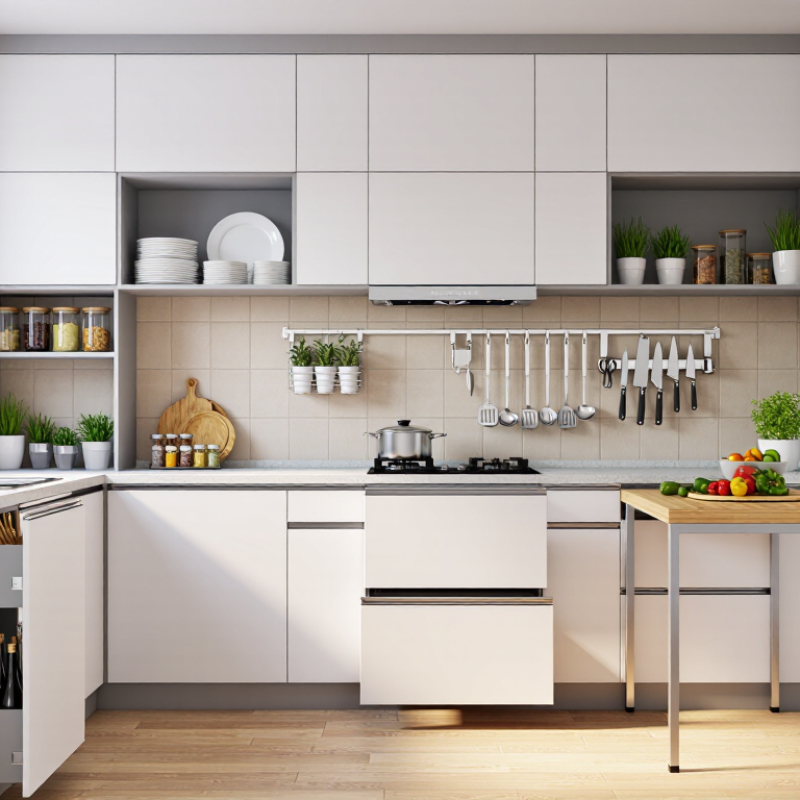
So, How to maximize storage in a small apartment kitchen? The answer is not simply adding more cabinets. It requires careful measurement, vertical planning, and honest attention to cooking habits. A slim pull-out beside the refrigerator may hold bottles. A two-tier drawer can separate chopsticks, ladles, and spice jars. Wall rails can keep frequently used tools within reach, while folding surfaces protect precious counter space.

Small changes help.

This guide examines China’s top kitchen storage solutions for small apartments, including modular cabinets, corner organizers, magnetic racks, and custom-built systems. It also considers materials, moisture resistance, installation quality, and realistic budgets. Some popular products look clever but waste usable depth. That mistake is easy to make. Reliable storage should fit the room, the family, and the mess that real cooking creates.
China Top Kitchen Storage Solutions for Small Apartments?

Types of Kitchen Storage Solutions for Small Apartments in China

In many Chinese small apartments, kitchen storage must use height, corners, and narrow gaps. Vertical cabinets can hold rice, cookware, and cleaning tools without extending the worktop. Adjustable shelves are useful when storage needs change. Pull-out pantry units, often only 15 to 25 centimeters wide, fit beside refrigerators or counters. They keep food visible. However, narrow hardware needs a reliable load rating and smooth movement.

Wall-mounted rails create flexible storage for ladles, knives, and small baskets. Place them away from direct steam and check the wall material before drilling. Under-sink drawers can use wasted space, but pipes require careful measuring. Ventilated doors help reduce dampness in humid southern cities. Corner shelves and rotating trays improve access, although they may reduce usable volume. That trade-off is easy to miss. Fold-down tables offer temporary preparation space in very tight kitchens. Choose moisture-resistant surfaces and rounded edges for daily safety.

For renters, freestanding carts and magnetic organizers avoid permanent changes. Before buying, measure cabinet depth, door swing, socket positions, and walking clearance. Leave enough room to open a drawer beside the cooker. Local installers should confirm wall strength and safe electrical clearances. Do not overload overhead storage. A practical plan is rarely perfect; one unused corner may remain. That is acceptable if cleaning stays easy and frequently used items remain within reach.

How to Measure Space and Identify Kitchen Storage Needs

Measuring a small kitchen starts with a clear floor plan. Record wall length, ceiling height, window positions, door swings, and utility outlets. Measure twice. Small errors can block a drawer or refrigerator door. Leave at least 90 centimetres for a comfortable working aisle, and keep appliance doors outside the main traffic line.

Houzz’s 2024 U.S. Kitchen Trends Study surveyed more than 1,000 homeowners and reported that 94% upgraded cabinetry during renovation. This shows why cabinet measurements deserve serious attention. Mark each cabinet’s internal width, depth, shelf height, and unused corner space.

Then list what you actually store: pans, dry food, cleaning supplies, recycling, and small appliances. A tall cabinet may suit cereal boxes, while a shallow drawer may protect cooking tools from becoming a tangled pile. The National Kitchen & Bath Association’s 2024 trends research also highlights improved storage planning as a continuing kitchen priority.

My first layout usually includes too many “useful” compartments. That is not always useful. Count repeated items before purchasing organizers. Measure the largest pan, not the average one. Also record daily habits, such as where coffee is prepared and where groceries are unloaded. Storage should shorten movement, not simply fill empty walls. In a very small apartment, one practical drawer can outperform three attractive shelves.

Space-Saving Cabinets, Shelves, and Modular Organizers

China Top Kitchen Storage Solutions for Small Apartments?

In small Chinese apartments, every cabinet depth matters. A 30-centimeter wall cabinet can hold plates without blocking the cooking path. Slim pull-out cabinets use narrow gaps beside refrigerators or sinks. Adjustable shelves handle rice bowls, pans, and cleaning supplies more efficiently than fixed compartments.

Open shelves make daily items easy to reach. Keep them near the preparation area. A two-tier shelf can separate spices from cooking oils, while a rail beneath it holds utensils. However, open storage collects grease quickly. Wipe it often, or choose removable shelf panels. That small detail is easy to overlook.

Modular organizers offer more flexibility than one large cabinet. Stackable bins, sliding baskets, and adjustable dividers can change as household needs grow. Measure the cabinet interior before purchasing. Leave space for hinges, plumbing, and drawer movement. I once fitted a deep basket under a sink, only to discover that the drainpipe blocked it. It worked badly. A shallower organizer would have been wiser.

Use vertical space carefully. Tall cabinets can store infrequently used appliances above eye level, but heavy items should remain low. Secure wall-mounted shelves to suitable structural points, especially in older apartments. A practical layout may look less perfect, yet it usually supports safer, faster cooking.

China Top Kitchen Storage Solutions for Small Apartments? - Space-Saving Cabinets, Shelves, and Modular Organizers

Storage Solution Typical Dimensions Recommended Materials Approximate Capacity Space-Saving Features Best Location Installation Needs Typical Price Range
Slim Freestanding Pantry Cabinet Width: 30–45 cm
Depth: 30–40 cm
Height: 160–200 cm
Moisture-resistant engineered wood, powder-coated steel, or aluminum Approximately 80–160 liters, depending on shelf spacing Uses narrow vertical space; adjustable shelves can accommodate bottles, cans, and dry goods Unused wall gaps, beside the refrigerator, or near the kitchen entrance Usually freestanding; wall anchoring is recommended for tall units Approximately US$60–180
Over-the-Sink Wall Cabinet Width: 60–100 cm
Depth: 25–35 cm
Height: 50–80 cm
Moisture-resistant plywood, laminated particleboard, or stainless steel Approximately 20–50 liters Turns unused space above the sink into storage without reducing worktop area Above the sink or another clear section of countertop Requires secure wall mounting and clearance from plumbing fixtures Approximately US$50–160
Narrow Rolling Kitchen Cart Width: 15–30 cm
Depth: 40–60 cm
Height: 70–90 cm
Powder-coated steel, bamboo, solid wood, or engineered wood Approximately 15–40 kg total load, depending on construction Slides into narrow gaps and can be moved when cleaning or preparing food Between cabinets, beside appliances, or under a counter overhang No fixed installation; locking casters improve stability Approximately US$35–120
Stackable Cabinet Shelf Risers Width: 25–40 cm
Depth: 20–30 cm
Height: 10–18 cm per level
Powder-coated steel, ABS plastic, or bamboo Approximately 5–15 kg per riser Creates a second level inside cabinets and makes items easier to see and reach Upper cabinets, base cabinets, and open shelving No installation; select risers with non-slip feet for stability Approximately US$8–35 per set
Pull-Out Base Cabinet Organizer Width: 15–30 cm
Depth: 45–55 cm
Height: 55–75 cm
Chrome-plated steel, stainless steel, or aluminum with soft-close slides Approximately 10–25 kg per basket Uses narrow cabinet cavities and brings stored items forward for easier access Inside base cabinets or narrow spaces beside an oven Requires accurate cabinet measurements and screw-mounted slide hardware Approximately US$45–180
Under-Shelf Hanging Basket Width: 25–40 cm
Depth: 25–35 cm
Height: 15–25 cm
Powder-coated steel, stainless steel, or reinforced wire Approximately 3–8 kg Uses the unused underside of a shelf for wraps, towels, snacks, or small containers Inside wall cabinets, pantry shelves, or open shelving No tools required when designed to slide over a shelf; check shelf thickness Approximately US$8–30
Wall-Mounted Rail and Hook System Rail length: 40–120 cm
Depth: 5–12 cm
Hook height: 5–15 cm
Stainless steel, anodized aluminum, or powder-coated steel Approximately 5–15 kg per rail, depending on wall fixing Stores utensils, mugs, towels, and small baskets vertically while keeping the countertop clear Backsplash areas, side walls, or the space beneath wall cabinets Requires screws or suitable wall anchors; adhesive mounting is for light loads only Approximately US$15–70
Corner Lazy Susan Organizer Diameter: 25–40 cm
Height: 5–20 cm
Food-safe plastic, bamboo, acrylic, or stainless steel Approximately 5–12 kg per tier Improves access to deep corner cabinets by rotating stored items toward the opening Corner cabinets, pantry shelves, or refrigerator tops No installation for freestanding trays; rotating cabinet systems require fitting Approximately US$12–90
Magnetic Refrigerator-Side Organizer Width: 25–35 cm
Depth: 8–15 cm
Height: 20–40 cm
Powder-coated steel, stainless steel, or reinforced plastic Approximately 3–8 kg Uses the side or front of a compatible metal refrigerator for spices, wraps, and utensils Refrigerator side panels or other magnetic metal surfaces No drilling; verify magnetic compatibility and avoid obstructing ventilation areas Approximately US$15–60
Modular Stackable Drawer Units Width: 25–40 cm
Depth: 35–50 cm
Height: 15–25 cm per module
Reinforced polypropylene, ABS plastic, bamboo, or laminated wood Approximately 3–10 kg per drawer Modules can be stacked, separated, or rearranged as storage needs change Countertops, pantry shelves, base cabinets, or dining-area storage zones No fixed installation; anti-slip pads or interlocking connectors improve safety Approximately US$20–100 per set

Choosing Materials, Designs, and Features for Compact Kitchens

China offers many kitchen storage solutions for small apartments, but material choice should match daily use. In compact-kitchen projects, moisture-resistant plywood often performs better than ordinary particleboard. It holds screws firmly and tolerates frequent cleaning. Powder-coated steel suits slim shelves, rails, and pull-out baskets. Stainless steel is durable near sinks, although fingerprints appear quickly. That trade-off is easy to overlook.

Design should follow movement, not just appearance. A narrow pull-out cabinet can use a 150-millimeter gap for oils, spices, or cutting boards. Vertical dividers keep trays upright and prevent noisy sliding. Wall-mounted rails free the worktop, while corner drawers make awkward spaces useful. Choose soft-close hardware with a tested load rating. Measure appliance doors and walking clearance before ordering. A beautiful cabinet becomes frustrating when its handle blocks the refrigerator.

Reliable storage also depends on construction details. Look for sealed edges, corrosion-resistant fasteners, adjustable feet, and removable shelves for cleaning. Ask for material specifications and hardware test information rather than accepting “premium” as proof. On one small layout, a deep drawer seemed efficient but swallowed items at the back; a shallower drawer worked better. I still question whether maximum capacity is always the right goal. Easy access may matter more than one extra shelf. Small kitchens punish careless measurements.

Installation, Maintenance, and Efficient Daily Use

China Top Kitchen Storage Solutions for Small Apartments?

Installation, Maintenance, and Efficient Daily Use

In a small apartment, storage installation begins with accurate measurements. Check cabinet depth, wall strength, door clearance, and nearby plumbing before drilling. Leave enough space for handles and moving shelves. For wall-mounted racks, use suitable anchors for concrete, brick, or plasterboard. Never trust a loose screw. A loaded rack can damage both the wall and your cookware. Keep heavy pans low, while lighter containers can occupy upper shelves. Moisture-resistant materials are helpful near sinks, but they still need ventilation.

Daily use improves when every item has a clear position. Use vertical dividers for chopping boards, narrow pull-out baskets for bottles, and shallow trays for spices. Keep frequently used tools within one hand’s reach. Wipe spills immediately, especially around hinges and metal joints. Check screws and sliding tracks each month. Remove crumbs before they harden inside runners. Avoid harsh cleaners that may dull coated surfaces. I once placed a tall container beside a cabinet hinge; the door opened poorly for weeks. A perfect plan is rarely perfect in practice. Adjust shelf heights after observing real cooking habits. Leave a small empty section, too. It absorbs change when new utensils appear.

FAQS

Which materials suit compact kitchen storage?

Moisture-resistant plywood handles frequent cleaning and holds screws firmly. Powder-coated steel works well for slim shelves and pull-out baskets. Stainless steel lasts near sinks, but fingerprints appear quickly.

How can narrow gaps become useful storage?

A 150-millimeter pull-out cabinet can hold oils, spices, or cutting boards. Vertical dividers keep trays upright and reduce sliding noise. The gap must remain easy to reach.

What should I measure before ordering cabinets?

Measure appliance doors, cabinet depth, wall strength, plumbing, and walking clearance. Check handle space carefully. Measure twice.

How can wall-mounted storage stay safe?

Choose anchors suitable for concrete, brick, or plasterboard. Confirm the wall can carry the loaded rack. Never trust a loose screw.

Where should heavy and light kitchen items go?

Keep heavy pans on lower shelves or inside low drawers. Place lighter containers above. This reduces strain and improves stability.

Are deep drawers always better for small kitchens?

Not always. A deep drawer may hide items at the back. Shallower drawers can improve visibility and daily access.

Which construction details deserve attention?

Look for sealed edges, corrosion-resistant fasteners, adjustable feet, and removable shelves. Ask for material specifications and hardware test information. “Premium” alone proves little.

How should compact kitchen storage be maintained?

Wipe spills near hinges and metal joints immediately. Check screws and sliding tracks monthly. Remove crumbs before they harden inside runners. Avoid harsh cleaners.

How can storage adapt to changing cooking habits?

Keep frequently used tools within one hand’s reach. Adjust shelf heights after observing real cooking. Leave one small empty section for future utensils. Perfect plans often need correction.

Conclusion

This guide explores practical kitchen storage solutions for small apartments in China, focusing on how to make limited space more functional and organized. It explains how to assess kitchen dimensions, wall height, cabinet depth, doorway clearance, and daily cooking habits before choosing storage. Readers will learn about space-saving cabinets, wall-mounted shelves, pull-out units, corner organizers, stackable containers, and modular systems that can adapt to different layouts.

The article also discusses how to maximize storage in a small apartment kitchen? It provides guidance on selecting durable, moisture-resistant, and easy-to-clean materials, while balancing appearance, accessibility, and safety. In addition, it covers installation planning, regular maintenance, and efficient daily use, such as grouping frequently used items, labeling containers, and keeping countertops clear. These practical ideas help create a compact kitchen that feels more spacious, remains easy to maintain, and supports comfortable everyday cooking.

Sophia

Sophia

Sophia is a dedicated marketing professional with an exceptional depth of knowledge about her company's products and services. With a keen understanding of market trends and customer needs, she crafts insightful blog posts that not only inform but also engage readers, enriching the company’s online......