Project-grade furniture, modular space solutions, and export-ready manufacturing for hotels, workplaces, public infrastructure, sports venues, healthcare, senior living, and modular building programmes. Engineered for compliance, speed, and whole-life value.
These project solutions cover public seating, hospitality furniture, auditorium seating, modular offices, washroom furniture, stadium seating, and commercial lighting—selected for specifiers, contractors, distributors, and procurement teams.
 Public seating
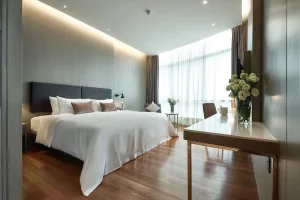 Hotel contract
Multi-functional furniture is rarely purchased as a single object. It is specified as part of a guest-room package, a public waiting area, a stadium concourse, a modular office site, a hospital refurbishment, or a school expansion. The buying decision therefore combines compliance, spatial efficiency, installation speed, maintenance, and export reliability.
In international procurement, the phrase “CE Certified” should be treated as a starting point for verification—not a universal guarantee. CE marking applies according to the product type, intended use, and the relevant European directive or regulation. A professional supplier should be able to clarify the applicable standards, provide test evidence where required, prepare a technical file, and issue a declaration of conformity for the exact SKU. This distinction matters because sophisticated buyers do not buy a logo; they buy traceable conformity, consistent manufacturing, and documentation that can survive project review.
At the same time, commercial and industrial buyers are under pressure to reduce site labor, shorten opening timelines, and improve asset utilization. A multi-functional furniture system can serve several workflows—reception, waiting, meeting, sleeping, storage, eating, learning, and recovery—without multiplying SKUs. That reduces planning complexity, spare-parts inventory, and training requirements. For exporters, the winning proposition is not simply low unit price. It is design coordination + factory efficiency + compliance evidence + packaging discipline + global shipping communication. These are the elements that convert a furniture order into a predictable project delivery.
Across regions, the demand signal is similar: owners want interiors that can adapt faster, operate at lower lifecycle cost, and support multiple user journeys. The difference lies in local codes, climate, labor availability, maintenance culture, and project delivery models.
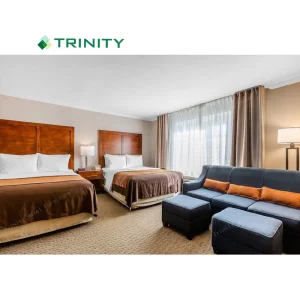
Hotel refurbishments increasingly combine casegoods, seating, wardrobes, vanities, and modular room elements into a single contract package. Buyers care about consistent color matching, fast room turnover, replacement parts, and protection against transport damage. A manufacturer/exporter that understands both hospitality aesthetics and panel-furniture engineering can reduce coordination risk between interior designers, contractors, and owners.
Offices, co-working brands, and client-experience centers require furniture that shifts between focus work, training, reception, and collaboration. Storage walls, lockers, modular meeting tables, and flexible seating are being specified together. Procurement teams should evaluate not only style, but also acoustic performance, cable management, cleanability, and the availability of matching spare components after installation.
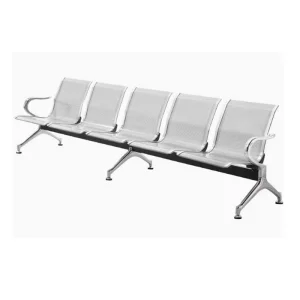
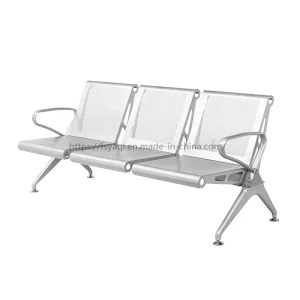
Airports, bus stations, clinics, and public buildings need high-traffic seating that is easy to clean, resistant to daily abuse, and comfortable for different age groups. Modular waiting benches, steel frames, and replaceable cushions can extend service life. For export projects, compact packaging and simple site assembly are as important as the visual finish.
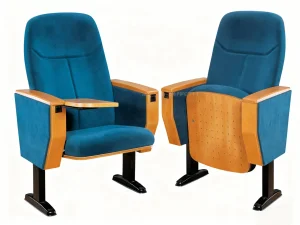
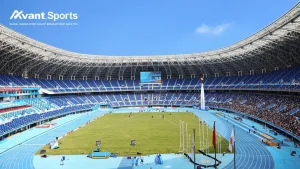
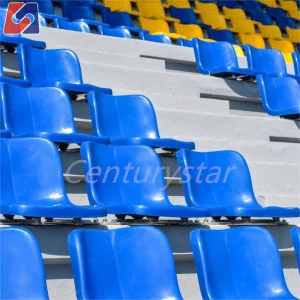
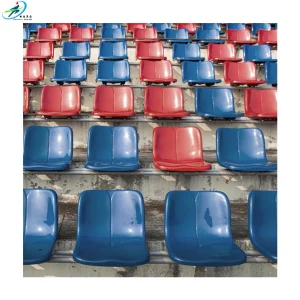
Stadiums, auditoriums, schools, and training centers require seating systems that balance comfort, durability, UV stability, and maintenance access. Anti-aging PP materials, ergonomic contours, and fixed or modular installation methods are becoming procurement keywords. Buyers should request material data and installation tolerances before comparing quotes.
Healthcare and senior-living projects require careful attention to ergonomics, safety, cleaning protocols, and accessible circulation. Space capsules, waiting chairs, vanity units, and supportive furniture must be evaluated as part of the care environment. Suppliers should provide clear dimensions, load information, finish options, and maintenance guidance to support facility teams.
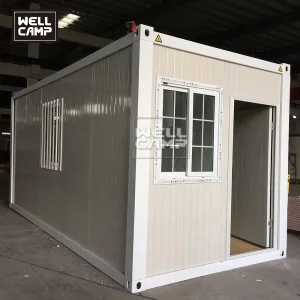
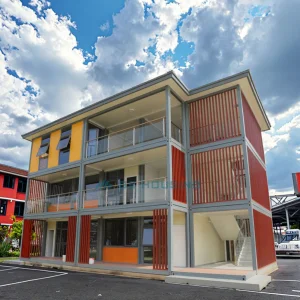
Container offices, temporary dormitories, prefabricated site facilities, and modular houses are being deployed in construction, energy, mining, and remote operations. Furniture must fit through openings, survive transport, and install with minimal skilled labor. Weatherproof enclosures and flexible interior fit-outs work best when furniture and building modules are planned together.
China’s furniture export strength is not only scale. It is the concentration of specialist suppliers, tooling, injection molding, panel processing, metal fabrication, upholstery, hardware, packaging, and testing services within a compact industrial ecosystem. For complex projects, this density reduces handoffs and accelerates problem-solving.
Multi-functional furniture often combines wood panels, metal frames, plastic components, foam, fabric, hardware, and electrical accessories. A mature manufacturing cluster allows these inputs to be sourced, sampled, and corrected in parallel. For buyers, this means fewer misaligned specifications and faster response when a finish, dimension, or packaging requirement changes during project approval.
Good export manufacturers do not simply quote a drawing. They review it for panel yield, hardware access, packing cube, installation tolerance, and maintenance. This design-for-manufacture dialogue can reduce material waste, simplify site assembly, and protect the product during sea freight. Early involvement is especially valuable for hotel room sets, modular waiting benches, and flat-pack casegoods.
Project buyers need to see finishes, ergonomics, and construction details before mass production. China’s factory ecosystem supports fast sampling of foam density, upholstery, edge banding, injection parts, steel finishes, and packaging. A disciplined sample-approval process reduces later claims, shortens installation time, and ensures that the approved sample becomes the production reference.
Reliability is created through repeatable checks: incoming material inspection, in-process dimension checks, hardware fit tests, stability review, finish inspection, packing verification, and pre-shipment inspection. For CE-oriented products, documentation must match the approved technical file. Export buyers should ask for inspection records, material declarations, and clear corrective-action procedures.
Furniture is vulnerable to edge damage, moisture, compression, and handling shocks. Efficient factories design cartons around product geometry, hardware bags, installation labels, and mixed-SKU loading. Flat-pack engineering, stackability, corner protection, and container-cube planning can materially reduce freight cost per unit and protect project schedules.
International projects require more than production capacity. They require clear milestones for drawing approval, sample sign-off, deposit receipt, material readiness, inspection, booking, documentation, and loading. A manufacturer/exporter with disciplined communication helps distributors, contractors, and brand owners avoid demurrage, site idle time, and late-opening penalties.
The same product platform may need different materials, dimensions, finishes, and packaging for different markets. Localization is not decoration; it is risk management. Climate, public-safety expectations, accessibility, cleaning routines, and installation labor all influence the right specification.
High-end hotels, serviced apartments, and mixed-use destinations often prioritize visual consistency, large-scale room packages, and robust transport protection. Heat, dust, and intensive cleaning can affect finishes and hardware. Suppliers should recommend suitable coatings, moisture-resistant substrates, and replaceable components while coordinating colors and room-set packing for phased openings.
European buyers typically require clear technical submittals, traceable materials, and documentation aligned with the applicable product regulations. Accessibility, fire performance, durability, and repairability may be examined during tender review. A supplier should avoid vague “CE compliant” claims and instead define the exact directive, standard, test evidence, and declaration relevant to each product.
Stadiums, campuses, and corporate interiors demand durable seating, simple maintenance, and predictable replacement-part availability. Buyers may compare ergonomic support, UV stability, cleaning methods, and installation speed. Exporters should clarify local electrical, labeling, and accessibility expectations even when furniture itself is mechanical rather than powered.
Construction camps, energy projects, and rapid-build facilities require container offices, dormitory furniture, and durable washroom solutions. Humidity and transport conditions make moisture protection, pack design, and corrosion-resistant hardware important. Modular dimensions should be checked against container doors, corridors, and lifting plans.
Outdoor waiting chairs and public seating must tolerate sun, rain, and heavy use. UV-stable materials, drainage, fixing methods, and cleaning access should be reviewed early. For coastal projects, hardware and metal finishes require careful specification. Replacement cushions and modular bench sections can extend service life and simplify maintenance.
Remote projects value packaging resilience, simple installation, and long service intervals. Furniture may be combined with modular housing, clinics, schools, and temporary offices. Clear labels, visual installation guides, spare hardware, and phased delivery planning can reduce site downtime when skilled labor or tools are limited.
Furniture is becoming part of a broader performance specification. Buyers increasingly ask suppliers to demonstrate material responsibility, configurability, maintainability, and digital documentation—not just appearance.
Project owners want furniture that can adapt as occupancy, services, or floor plans change. Modular waiting benches, stackable seating, removable cushions, standardized connectors, and flat-pack casegoods allow spaces to be updated without complete replacement. The key procurement question is whether modules can be replaced or expanded after the initial installation.
Buyers are asking about low-emission panels, recyclable plastics, reduced packaging waste, and replacement-part strategies. Sustainability claims should be supported by material data and clear end-of-life guidance. Design choices such as mechanical fasteners, replaceable covers, and fewer mixed materials can improve repairability and recycling.
Public and workplace furniture must serve different body sizes, ages, and abilities. Seat height, contour, arm support, clearance, and access routes matter. Ergonomic foam seating, accessible waiting benches, and senior-friendly capsules are becoming easier to justify when they are tied to measurable user outcomes and maintenance benefits.
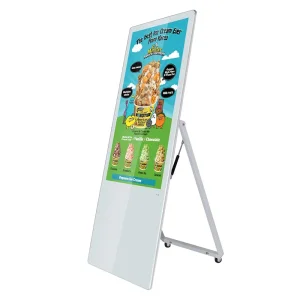
Retail, transport, and hospitality environments increasingly combine furniture with digital displays, wayfinding, and advertising kiosks. Power routing, ventilation, cable access, and serviceability should be planned during layout. Integrated furniture and display systems can reduce clutter but require clear maintenance access.
Post-pandemic procurement has reinforced interest in easy-clean surfaces, moisture resistance, and durable upholstery. Fire performance, chemical resistance, and indoor-air quality requirements vary by market and application. Buyers should request test evidence and care instructions rather than relying on generic marketing statements.
BIM objects, installation drawings, spare-part lists, carton dimensions, and loading plans help contractors plan better. A manufacturer that provides structured product data reduces uncertainty for designers, logistics teams, and facility managers. Data quality is becoming an export advantage because it shortens approval cycles and improves site readiness.
Project-scale furniture procurement succeeds when the RFQ turns vague expectations into verifiable requirements. The list below is designed for purchasing managers, interior contractors, brand owners, and distributors comparing manufacturers from different regions.
Request dimensions, tolerances, materials, finishes, hardware, load assumptions, installation method, and maintenance access. Require shop drawings before production. For custom hotel or public seating, include the exact application, expected daily use, and cleaning method.
Ask for the exact directive/regulation, standards, test reports, technical file, declaration of conformity, labels, and instructions applicable to the SKU and destination. Do not accept a single “CE certified” phrase without product-specific evidence.
Define what can change: dimensions, color, fabric, foam density, edge finish, metal finish, packaging, logo, and connector system. Require a sample approval record and a process for controlling changes after sign-off.
Approve a physical sample or a representative pilot lot before mass production. Review finish under project lighting, check ergonomics, evaluate packing, and confirm hardware installation. Record the approved sample as the production golden reference.
Clarify MOQ by model and material, tooling requirements, production lead time, inspection milestone, booking lead time, and peak-season capacity. A realistic delivery plan is more valuable than an aggressive date that cannot be sustained.
Specify carton strength, corner protection, moisture control, hardware bags, labels, and replacement parts. Ask for loading plans and mixed-SKU consolidation options. Furniture and equipment from multiple categories may be combined to improve container utilization.
Agree on inspection criteria, sampling levels, defects classification, and corrective-action response. Include a spare-parts list, recommended spare ratio, and warranty terms. For public projects, replacement availability may outweigh a lower initial price.
Confirm commercial invoice, packing list, bill of lading, certificate of origin, test reports, declarations, installation drawings, and point-of-contact for claims. Clear communication during shipping and installation is part of the product experience.
Our manufacturing and customization experience supports hotels, apartments, schools, hospitals, residential spaces, and commercial projects. The original company information is preserved below, supported by expanded project context.
Shenzhen Ramsey Furniture Co., Ltd.
Shenzhen Ramsey Furniture Co., Ltd. was established in 2010 and has been deeply involved in the home decoration and panel furniture field for many years. We focus on research and development, design, and production of whole-house customization. Our mission is to provide customers with one-stop space solutions, including customized furniture such as cabinets, wardrobes, bookcases, and lockers, to achieve an efficient use of space and a unified style. We offer a variety of space customization services, including for hotels, apartments, schools, hospitals, and residential spaces.
The company adheres to the concept of "innovation drives quality, ingenuity creates the future," relying on modern production bases and intelligent production lines while integrating international design trends. Our goal is to create customized decorations and panel furniture products that are both aesthetically pleasing and practical.
At Shenzhen Ramsey Furniture Co., Ltd., we prioritize customer satisfaction and strive to offer high-quality products that meet the diverse needs of our clients. We are committed to using advanced technology and innovation to stay ahead of industry trends and provide the most efficient and stylish solutions for modern living and working spaces.
Our Vision
Our vision is to be a leading provider of customized furniture solutions, helping our customers maximize space and create harmonious, functional living environments. We are driven by creativity and sustainability, continuously improving our offerings with the latest technological advancements.
Our Values
Innovation: We embrace cutting-edge technology and ideas to create solutions that exceed customer expectations.
Quality: We are committed to producing high-quality, durable, and stylish furniture that lasts.
Customer-Centric: We always put our clients first, ensuring that their needs and preferences are met.
Sustainability: We aim to minimize our environmental impact by using eco-friendly materials and energy-efficient processes.
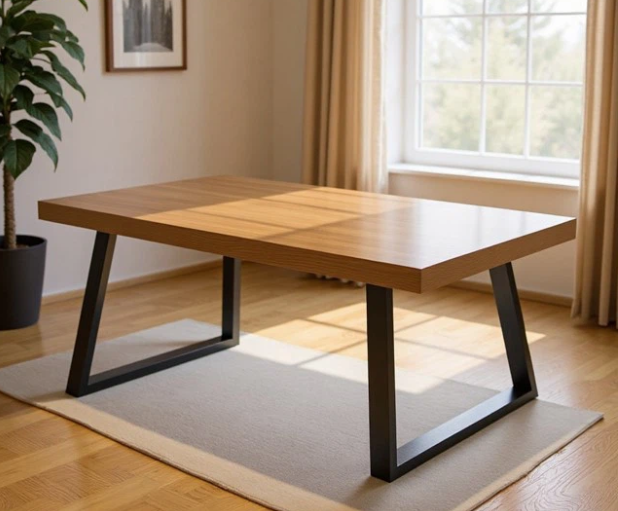
Project context: as a CE-oriented multi-functional furniture manufacturer and exporter, our team connects design intent, panel-furniture engineering, customization, packaging, and export coordination so that buyers can manage quality and delivery across multiple product categories.
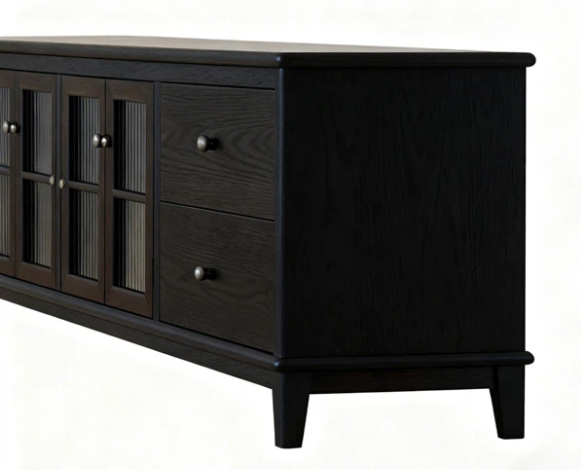
Fast communication for drawings, samples, order status, and export documentation questions.
Customization support for dimensions, finishes, materials, hardware, and project-specific configurations.
Production discipline focused on durable construction, consistent finishing, and export-ready packing.
Practical support for product selection, space planning, documentation, and order coordination.
Access to injection and component processes where product design requires plastic parts and fittings.
Solutions developed around room schedules, site constraints, brand standards, and target budgets.
Design and production experience applied to panel furniture, casegoods, seating, and modular spaces.
Quotations structured around scope, materials, tooling, sampling, and project delivery requirements.
Export coordination for sample shipments, mixed containers, documentation, loading plans, and destination communication. We help buyers plan packaging and shipment timing so that project sites receive the right products with fewer surprises.
These answers are written for buyers who need practical guidance before requesting a quotation or issuing a tender.
CE marking is product- and regulation-specific. It indicates conformity with applicable European legislation for the product in scope, supported by the required technical documentation. Because furniture categories and intended uses vary, buyers should request the exact directive or regulation, relevant standards, test reports, technical file, declaration of conformity, labels, and installation instructions for each SKU. Our team supports CE-oriented documentation where applicable and can align production with the approved technical file; final verification should be completed with a qualified compliance professional for the destination market.
Yes. Customization may cover dimensions, panel colors, edge finishes, fabric and leather options, foam density, hardware, storage configuration, connector systems, packaging, and branding. The best process is to share drawings, application photos, target quantities, destination, and expected use. We then review manufacturability, sampling requirements, and delivery planning before quotation. For project orders, changes should be controlled through an approved sample and drawing record.
MOQ depends on the product family, material, tooling, and customization level. Some project items can be developed through samples and pilot lots, while highly customized components may require a higher minimum quantity. The sample process usually includes requirement review, drawing confirmation, material selection, sampling, evaluation, revision if needed, and approval as the production reference. “Countless customized samples” reflects our customization orientation, but each request should still be reviewed for feasibility and cost.
Quality control should be agreed before production. Typical checks include incoming material inspection, dimensions, panel and edge quality, hardware fit, stability, finish consistency, upholstery workmanship, packing protection, labels, and pre-shipment inspection. For complex projects, a golden sample, inspection plan, defect classification, and corrective-action record help reduce disputes. Buyers can also appoint a third-party inspection agency when required by their project contract.
We support global project requirements for hotels, apartments, schools, hospitals, residential spaces, commercial interiors, public waiting areas, stadiums, auditoriums, modular offices, and senior-living environments. Because local regulations and site practices differ, buyers should confirm product standards, accessibility expectations, fire requirements, electrical integration, and documentation before order confirmation. Sharing the destination port and installation method early helps optimize packaging and delivery.
Shipping efficiency starts at design. Flat-pack or knock-down construction, optimized carton sizing, corner protection, hardware packaging, light weighting where safe, and mixed-SKU container loading can improve cube utilization. Consolidating multiple categories—such as seating, casegoods, vanities, and modular office elements—may reduce total logistics cost. The objective is to protect the product while avoiding unnecessary air or void space in the container.
Share your room schedule, application photos, destination, target budget, and compliance requirements. We will help translate them into a practical furniture package with clear drawings, sample steps, export packing, and delivery coordination.
Explore additional solutions for public spaces, senior living, safety facilities, waiting areas, stadiums, retail displays, and modular buildings.
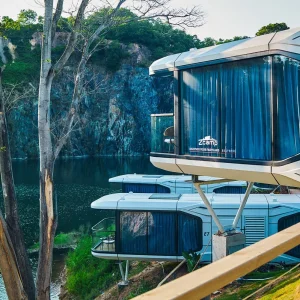 Senior living
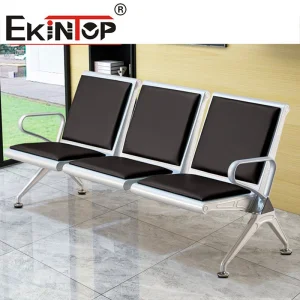 Reception seating
 Ramsey Furniture